Wellness Travel: Spas, Hot Springs, and Healing Hideaways
Explore restorative escapes—from luxury spas to mineral hot springs and healing hideaways—with tips for planning, budgeting, and mindful self-care.
The Rise of Restorative Journeys
Wellness travel is less about ticking landmarks off a list and more about building an intentional itinerary that restores energy, clarity, and balance. Travelers are prioritizing wellness travel to recover from constant connectivity and cultivate mind-body balance that lasts beyond a vacation. The focus shifts from doing more to feeling better, embracing slow travel, silent mornings, and spacious afternoons that make room for reflection. Many travelers now plan a digital detox by choosing accommodations with soothing design, supportive sleep environments, and nature access. Instead of cramming in attractions, they carve out rituals—morning stretches, afternoon soaks, unhurried meals—that turn a trip into an ongoing self-care practice. A wellness-focused journey might combine gentle movement, nourishing cuisine, hydrotherapy, and time outdoors, letting the nervous system recalibrate. Whether you choose a seaside spa weekend or a mountain retreat, the goal is the same: to return home with tools and habits that protect your energy and help you meet daily life with calm.
Inside the Modern Spa
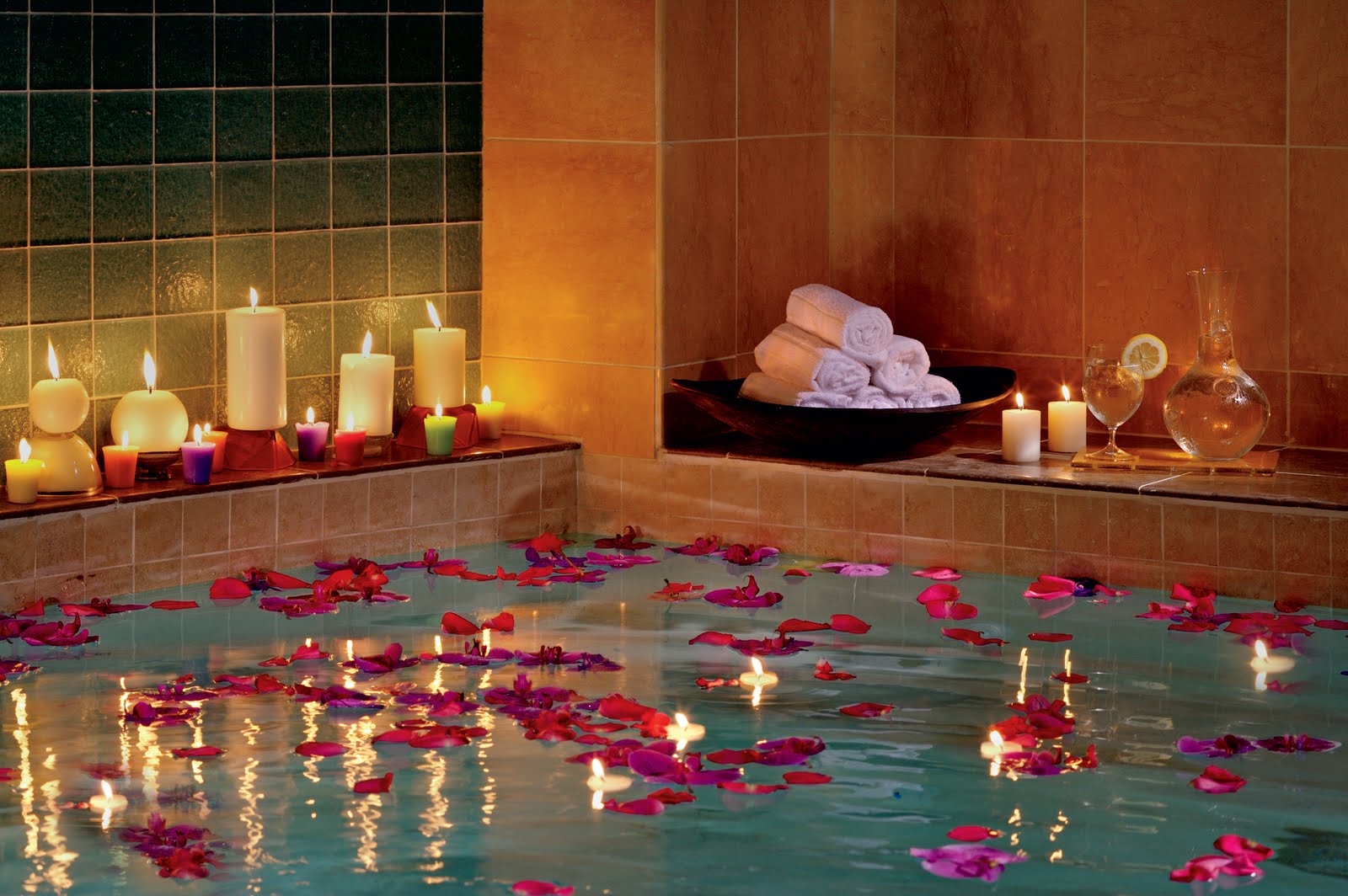
Today's spa experiences go far beyond a single massage. They weave together hydrotherapy circuits, targeted bodywork, and sensory elements to unlock deep relaxation and recovery. You might move through a sequence of sauna, steam, and cold plunge to stimulate circulation, followed by a rest period in a quiet lounge. Treatments range from classic Swedish and deep-tissue techniques to myofascial release and lymphatic drainage, blending therapeutic touch with aromatherapy and sound. Many spas design journeys that start with exfoliation to awaken the skin, then transition to warm applications and restorative hydration. Lighting, temperature, and scent are curated to nudge the body toward parasympathetic ease. Skilled therapists tailor pressure, pace, and products to individual needs—whether you seek relief from desk tension or support for athletic recovery. Even short sessions can create an outsized effect when paired with mindful breathing and post-treatment rest, reinforcing the spa as a space for intentional reconnection with your body's signals.
Hot Springs and the Science of Soaking
Few experiences match the elemental comfort of sliding into geothermally heated pools surrounded by fresh air. Natural hot springs carry mineral-rich waters—often including silica, sulfur, magnesium, or iron—that support the skin's barrier and may encourage circulation and relaxation. Balancing time in warm pools with cool rinses aligns with traditional balneotherapy principles, which emphasize contrast and moderation. To make the most of a soak, arrive hydrated, limit alcohol, and alternate temperatures mindfully, allowing your pulse to settle between dips. Many springs practice quiet-zone etiquette that fosters presence and contemplation; embrace it to tune into subtle bodily cues. Sensitive skin or certain health conditions may call for shorter sessions and cooler pools, so listen closely to comfort levels. A post-soak nap, mineral water, and a simple meal can extend the benefits. Whether in a forested valley or a volcanic plain, the ritual of soaking restores a primal sense of warmth, grounding, and ease.
Healing Hideaways in Nature
Beyond day spas, healing hideaways offer immersive environments where stillness, scenery, and simplicity do their quiet work. Mountain sanctuaries, desert casitas, lakeside cabins, and jungle eco-lodges invite nature immersion that softens the nervous system. Many retreats design days around unstructured time, encouraging gentle hikes, forest bathing, stargazing, or contemplative swims. Rooms may feature natural fibers, blackout shades, and sound-dampening to support sleep hygiene, while communal spaces favor soft light and calm conversation. Tech-free zones and phone baskets nudge a reset of attention. Some hideaways include guided breathwork, fireside journaling, or creative workshops that reignite curiosity and play. Meals highlight regional produce and slow cooking, fostering connection to place. The result is a subtle recalibration: as sensory input simplifies, thoughts quiet, and the body adopts a slower rhythm. You leave with renewed appreciation for small rituals—sunrise stretches, barefoot moments, unhurried tea—that anchor calm in everyday life.
Movement, Breath, and Nourishment
Sustainable wellbeing rests on three pillars: mindful movement, breath, and nutrition. Wellness trips often pair yoga, Pilates, or tai chi with trail walks, ocean swims, or mobility classes that build stability without strain. Breathwork techniques—box breathing, extended exhales, and diaphragmatic practice—help regulate stress and deepen sleep. On the plate, many programs lean into produce-forward menus with vibrant greens, legumes, and healthy fats to support anti-inflammatory balance and gut health. Fermented foods, mineral-rich broths, and herbal infusions provide gentle support, while thoughtful hydration rituals keep energy steady. Cooking classes might explore local ingredients and mindful eating, turning mealtime into a sensory meditation. Rather than rigid rules, the emphasis is on awareness: noticing how certain foods, movement tempos, or mealtime timing affect mood and focus. This experimentation creates a personal toolkit you can bring home—simple stretches, breath resets, and nourishing bowls that help maintain clarity long after the trip ends.
Planning, Budgeting, and Practicalities
A restorative escape begins with smart choices. Start by clarifying intentions—stress relief, sleep support, or deep muscle recovery—and let those guide destination and format. Compare spa facilities, hydrotherapy access, and nature proximity, then check policies on quiet hours and accessibility. For budget-savvy planning, consider midweek stays, day passes to thermal circuits, or shorter program add-ons instead of full packages. Choosing shoulder-season dates can increase value and serenity. Pack strategically: swimsuit, quick-dry layers, sandals for wet areas, a reusable bottle, a light robe, and a small kit with magnesium, eye mask, and earplugs. Review treatment menus and pre-book key sessions to secure preferred times. Seek signs of sustainability—water stewardship, energy efficiency, local sourcing—and ask how properties support local culture and practitioners. Respect etiquette: arrive early, keep voices low, hydrate, and rest after heat experiences. Thoughtful planning reduces friction, letting presence, not logistics, define your wellness journey.
Bringing the Spa Home and Traveling Responsibly
The real measure of a wellness trip is how well its benefits live on. Build integration rituals: a weekly bath with Epsom salts, five minutes of breathwork before bed, a brief morning stretch, or a phone-free ritual around tea. Keep hydrotherapy simple at home with warm showers followed by short cool rinses, then rest. Journal insights you gained—foods that fuel you, sleep cues, practices that calm the mind—and calendar them like appointments. As you plan future trips, embrace ethics that honor place and people: conserve water in hot, dry regions; respect quiet areas; and learn spa etiquette rooted in local traditions. Support community therapists and makers, tread lightly on trails, and follow leave-no-trace principles as part of regenerative travel. When travel becomes a classroom for self-awareness and stewardship, its impact compounds. You return not just refreshed, but also equipped to nurture long-term wellbeing—for yourself, for communities you visit, and for the landscapes that heal you.