Wearables That Work: Picking a Smartwatch You'll Actually Use
Stop buying wrist candy that ends up in a drawer. Here is how to pick a smartwatch that fits your phone, goals, and routine so you will actually use it.
Set Your Priorities: A smartwatch you actually use starts with the basics you'll touch every day. Decide whether notifications, calls, and quick replies are mission critical, or if fitness tracking and sleep insights matter more. Be honest about battery life tolerance; if you forget to charge, a model with multi day endurance or fast top ups will keep you wearing it. Consider comfort first: case size, weight, and strap material decide whether it disappears on your wrist or ends up in a drawer. Style also affects everyday use; a watch that matches your wardrobe gets worn more, so look for interchangeable bands and customizable watch faces. Finally, think about ecosystem fit. Seamless pairing, shared services, and features like find my phone, calendar sync, and voice dictation make the watch feel like an extension of your phone. When your top needs are clear, you avoid feature overload and choose a wearable that supports your routine instead of complicating it.
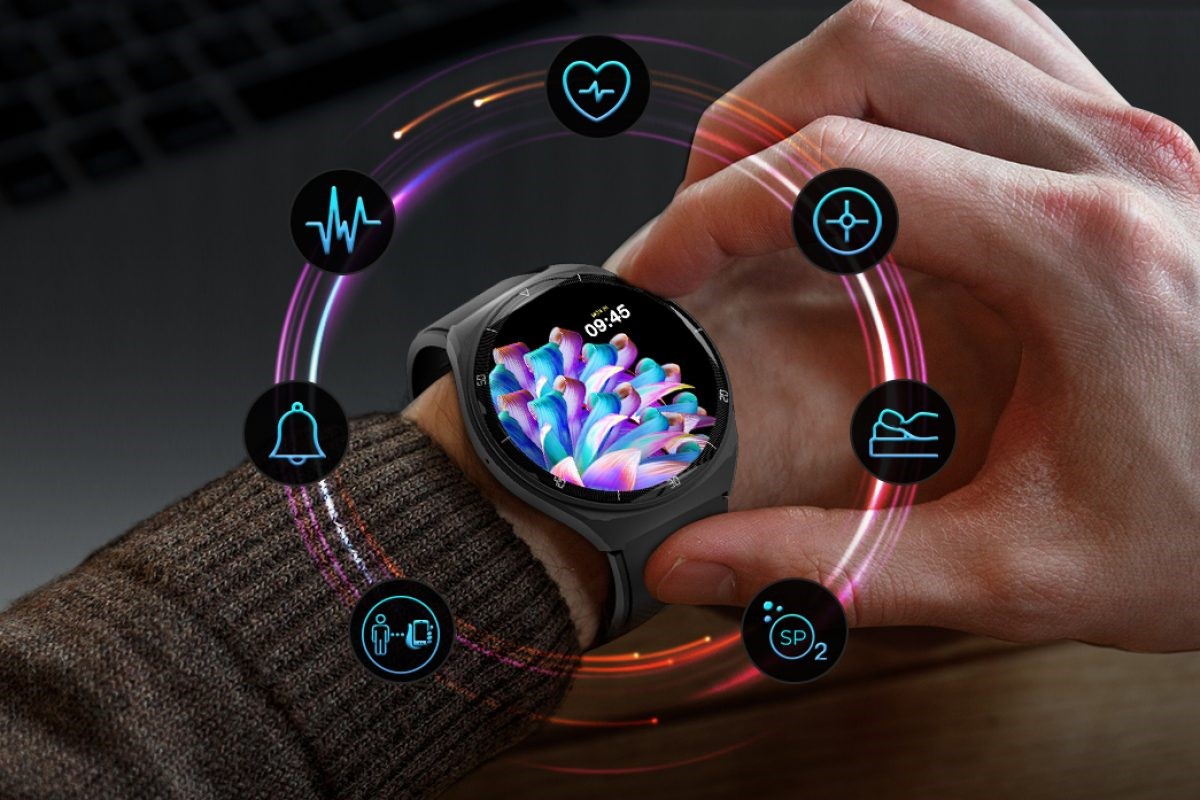
Focus on Health That Matters: Not every sensor is equal, and more isn't always better. Prioritize heart rate accuracy during workouts, reliable GPS for pace and route, and meaningful sleep stages if recovery guides your training. Check whether the watch can auto detect activities, lock GPS quickly outdoors, and export data to your preferred platforms. For hikers and runners, an altimeter and compass improve elevation and route awareness, while interval timers and zone alerts help structure training. For swimmers, verify water resistance ratings and stroke recognition. If safety is a concern, look for fall detection, emergency SOS, and shareable location alerts. Optical sensors vary with skin tone, tattoos, temperature, and strap tension, so a snug fit and proper placement are essential. Some watches estimate VO2 max, stress, or irregular rhythm notifications; treat them as insights, not diagnoses. The best wellness features turn data into action with coaching prompts, guided workouts, daily readiness scores, and gentle reminders that help you build consistent habits.
Compatibility and Everyday Smarts: Start with compatibility; a watch that complements your phone's operating system will sync notifications, permissions, and apps more reliably. Evaluate the app ecosystem for essentials like calendars, notes, to dos, weather, and transit, and confirm that complications place the right info on your watch face. Consider NFC payments, voice assistant performance, and whether you need offline music or podcasts for phone free runs. Connectivity matters: stable Bluetooth reduces drops, Wi Fi speeds updates, and optional cellular lets you leave the phone at home in a pinch. Check privacy controls for sensors and microphones, and make sure you can fine tune notification filters so only high value alerts buzz your wrist. Simple quality of life touches such as reliable find my device, camera shutter control, quick timers, and smart home toggles often determine daily satisfaction more than niche features. If setup is painless and the watch mirrors your preferences quickly, you'll keep it charged, worn, and genuinely useful.
Design, Durability, and Display: Comfort drives usage, so weigh ergonomics carefully. Smaller wrists may prefer thinner cases and curved backs, while larger displays improve readability for navigation, maps, and workouts. Screen tech matters: bright OLED panels offer deep contrast and efficient always on modes; higher refresh rates feel fluid when scrolling. Protect the face with robust glass or sapphire and look for scratch resistance if you're rough on gear. Case materials such as aluminum, stainless steel, or titanium affect weight, toughness, and style, while quick release straps let you switch from silicone for training to leather or nylon for work. Pay attention to battery life trade offs; dial brightness, always on settings, and GPS sampling to match your day. Charging convenience matters too: fast charging, universal pucks, and secure magnets reduce friction. For adventures, check water resistance and dust ratings. A watch that fits well, reads clearly in sunlight, and shrugs off bumps will stay on your wrist through sweat, sleep, and meetings.
Value and Longevity: Stretch your budget by shopping value tiers where features meet real needs instead of chasing specs you'll rarely touch. Prioritize consistent software updates, reliable performance, and strong battery health management over one off gimmicks. Consider certified refurbished options with warranties, and check local service for repairability, including accessible battery replacements and strap availability. Longevity also lives in support: long update windows, active developer communities, and broadly compatible apps extend usefulness. If possible, try the watch in person to test fit, brightness, and haptics, and buy from retailers with a fair return policy so you can evaluate comfort over a full week of routines. Finally, set yourself up for success: customize watch faces for glanceable data, prune notifications, schedule Do Not Disturb, and create a simple charging habit tied to a daily ritual. When the device fits your life, offers clear feedback, and disappears until needed, you'll keep wearing it and actually benefit.