Wearables 101: Choosing a Smartwatch or Fitness Tracker
Confused between a smartwatch and a fitness tracker? Compare features, sensors, battery life, and ecosystems to pick the right wearable for your goals.
The Basics: Choosing between a smartwatch and a fitness tracker starts with your goals. A smartwatch functions like a compact computer on your wrist, prioritizing notifications, apps, and voice control, making it ideal for people who want seamless connectivity without pulling out a phone. A fitness tracker emphasizes health metrics, step counts, and sleep analysis in a slimmer, lighter package that usually delivers longer battery life and fewer distractions. Consider how you'll use it daily: Do you want quick message replies, contactless payments, and rich navigation, or do you prefer a focused tool that quietly logs workouts and recovery? Comfort, design, and durability matter, too—especially if you wear it continuously. Think about your ecosystem and compatibility with your phone, as this affects features like messaging, app availability, and sync reliability. Finally, define success up front: clearer fitness goals, more efficient communication, or a balanced mix. With that benchmark, you can filter features and avoid overpaying for capabilities you won't use.
Sensors & Health Tracking: Most wearables combine an accelerometer, gyroscope, and sometimes an altimeter to track movement and elevation, while GPS enables accurate distance and pace outdoors. Health-oriented devices add optical heart-rate sensors for continuous monitoring and exercise zones, SpO2 for oxygen saturation, and in some models ECG for arrhythmia detection. Newer packages may include skin temperature trends, HRV (heart rate variability), and improved sleep tracking with stages and breathing rate insights. Remember, consumer wearables are not medical devices; they provide trends and estimates to guide training, recovery, and lifestyle adjustments. Accuracy varies with fit, skin tone, tattoos, and motion. For running or cycling, prioritize reliable GPS and stable wrist contact; for wellness, focus on consistent daily use to build baselines. Export options and data sync with fitness apps can help aggregate stats, visualize progress, and coach smarter decisions over time.
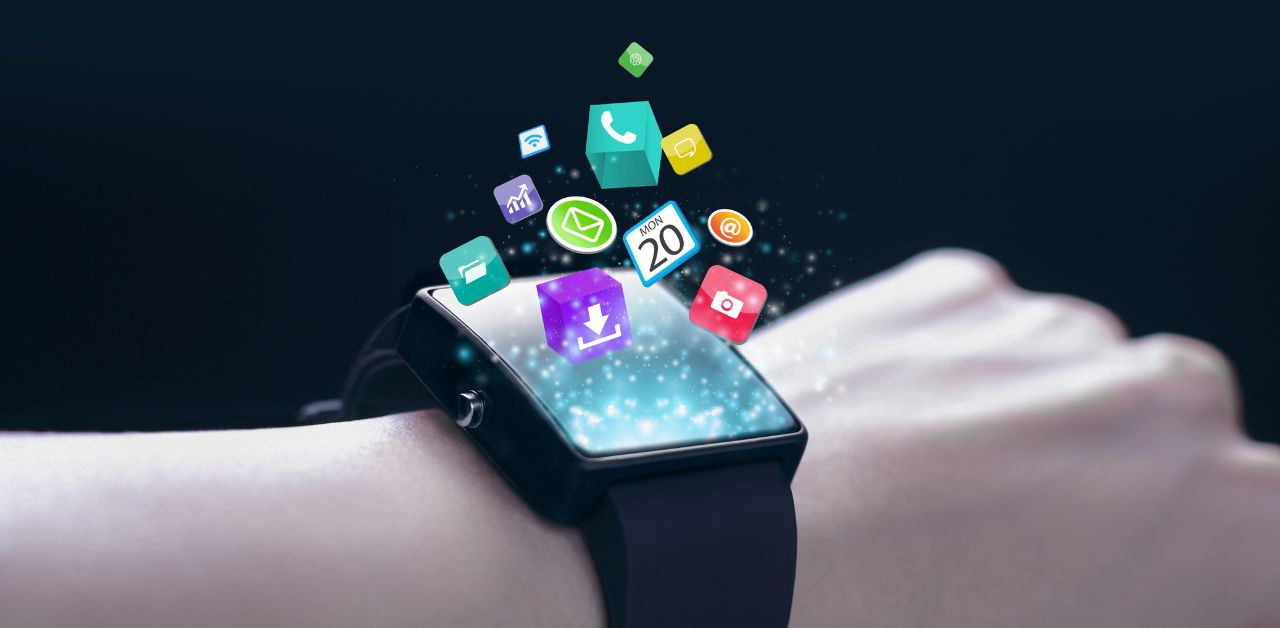
Smart Features & Connectivity: A smartwatch shines with notifications, quick replies, and voice assistants that let you handle messages, timers, and reminders on the go. Many support NFC payments, music storage, and offline playback for workouts without a phone. Connectivity choices—Bluetooth, Wi‑Fi, and sometimes cellular/LTE—determine how independent your wearable can be. Fitness trackers often trim these extras to prioritize battery life and a distraction-free experience, though some now include basic controls and limited app support. Onboard GPS enables accurate pacing and routes without carrying your phone, while connected GPS leverages the phone to save power. Safety-minded users may value features like fall detection, SOS, or location sharing during activities. Check app ecosystems for the tools you rely on, from calendar and notes to meditation and workout programming. The right balance depends on whether you want a wrist-based communicator, a training companion, or a hybrid that blends both without overcomplicating your routine.
Fit, Design & Durability: Comfort drives consistency, so prioritize case size, weight, and strap materials. Silicone and nylon are sweat-friendly, while leather and metal elevate style but may feel heavier. Look for simple quick-release bands to switch from gym to office. Display type matters: OLED screens deliver deep blacks and sharp contrast, while LCD can be brighter in some conditions. An always-on display improves glanceability but affects battery life. Consider touchscreens for ease and physical buttons for reliable control with wet or gloved hands. Durability features include scratch-resistant glass, reinforced cases, and water resistance suitable for splash, swim, or more rugged use—match the rating to your activities. If you track sleep, ensure the device is slim enough for overnight comfort. Customization options—watch faces, widgets, and complications—help surface the data you care about most, keeping key metrics a glance away without digging through menus mid-workout or during meetings.
Battery & Charging: Battery experience shapes daily satisfaction. Simpler fitness trackers often run for several days or more, while feature-rich smartwatches may need daily or near-daily charging, especially with always-on displays, cellular, or frequent GPS workouts. Evaluate fast charging to recover hours of use in short sessions, and note whether charging is wireless, magnetic, or requires a proprietary cable you'll need to carry when traveling. Power-saving modes can extend life by limiting sensors, reducing brightness, or pausing background features. Heavy GPS use, bright screens, and continuous heart-rate sampling are the biggest drains; scheduling workouts and dimming the display can help. Nighttime charging conflicts with sleep tracking, so plan a routine—perhaps topping up during showers or desk time. If you value multi-day endurance, choose models with efficient screens, pared-down smart features, or ultra mode options that preserve core activity tracking while cutting nonessential extras.
Budget, Privacy & Buying Tips: Start with a clear budget and rank features by impact: must-have sensors, essential smart features, and nice-to-have extras. Check compatibility with your phone's operating system, as ecosystem differences can affect messaging, app selection, and health data syncing. Some brands lock advanced insights behind subscriptions; factor ongoing costs into total value. Review privacy controls: permissions, data export, and whether you can delete or migrate your information later. Try devices on if possible to assess comfort, readability, and navigation flow; accessibility features like voiceover, haptics, and adjustable text can be crucial. Consider warranty, repairability, and refurbished options to stretch your budget. For training goals, prioritize GPS accuracy, heart-rate consistency, and actionable recovery metrics; for lifestyle, lean into notifications, payments, and elegant design. The best wearable fits your routine, respects your data, and motivates steady, sustainable progress without adding friction.