Understanding Torque and Horsepower in Motors
Learn how torque and horsepower relate, how they affect acceleration and top speed, and how to choose the right motor for tools, EVs, and performance.
Torque vs Horsepower Basics. In the world of motors, two numbers dominate spec sheets: torque and horsepower. Torque is the twisting force a motor applies to turn a shaft, while horsepower is the rate at which the motor can perform work over time. Think of torque as the strength to start turning a stubborn bolt, and horsepower as how quickly that work can be done and sustained. Both metrics are essential because most applications demand a balance of start-up force and ongoing speed. A motor with generous torque can overcome inertia and heavy loads, but without adequate power it may not maintain desired speed under continuous demand. Conversely, high power with modest torque may spin fast but struggle at takeoff or under shock loads. They are not rivals so much as partners; torque provides the push, power provides the pace. Together they define acceleration, top speed, and productivity in machines, vehicles, tools, and industrial systems, guiding better choices and more reliable, efficient outcomes.
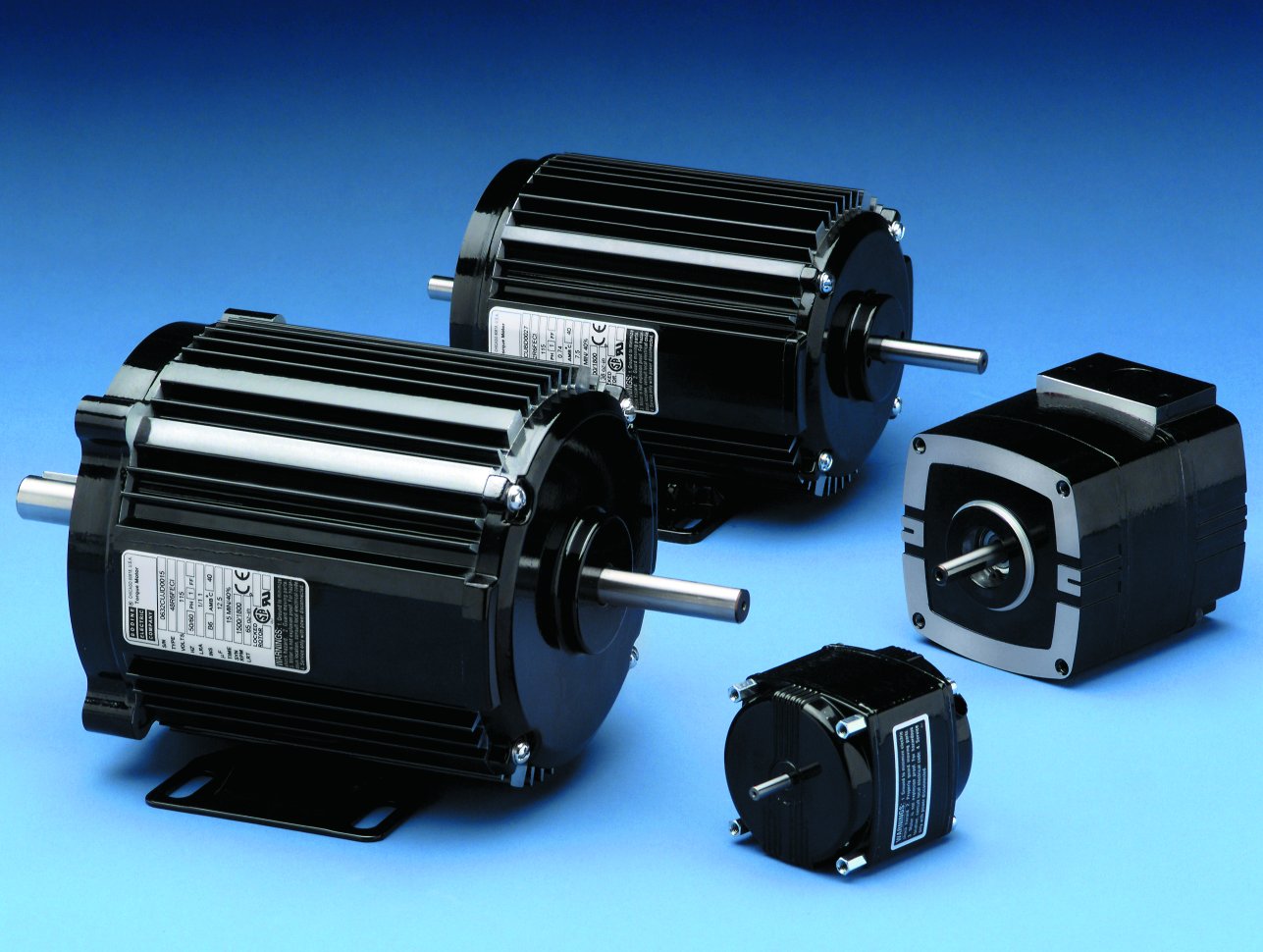
What Torque Really Means. At its core, torque is a moment, the product of a force applied at a distance from a rotation axis. Using a longer wrench multiplies your torque because the lever arm is larger; motors do the same by applying electromagnetic force around a rotor. Key ratings include stall torque (maximum twist at zero speed) and continuous torque (what the motor can deliver indefinitely without overheating). Torque curves describe how that twist changes with RPM, and different motor types produce different shapes, from flat plateaus to steep declines. Load characteristics matter too: high inertia loads demand strong torque at start-up, while constant-torque loads need steady delivery across a wide speed range. Gear reduction increases shaft torque while reducing speed, so designers often trade rotation rate for pulling force. Understanding torque's relationship to thermal limits, efficiency, and duty cycle helps avoid undersized drives, slipping couplings, and premature wear in demanding applications.
How Horsepower Works. Horsepower is simply power, the rate of doing work, and in rotating systems it depends on both torque and rotational speed. If torque is how hard a motor pushes, horsepower is how quickly it can keep pushing while the shaft turns. Power rises when you increase torque, and it also rises when the same torque is applied at higher RPM. That is why a motor can feel strong at low speed yet deliver even more performance as it spins faster, provided it maintains sufficient torque. Power determines sustained output: how fast a pump can move fluid, how quickly a blower moves air, or how rapidly a machine completes cycles. It also correlates with heat generation, because converting electrical energy to mechanical power always involves losses. Selecting for horsepower alone can mislead, though; without the torque to match your load's profile, the system may bog or trip protection. The smartest choices balance power, torque, and cooling capacity for lasting reliability.
The Torque–Horsepower Relationship. The key equation links power to torque and angular velocity: power equals torque multiplied by rotational speed, scaled by a unit conversion constant. This means torque and horsepower are inseparable; when one changes, the other responds with speed. Typical motor curves show robust torque at low RPM, followed by a region where torque tapers while power climbs, reaching a peak as speed increases. Some motors, especially those with advanced control, hold torque relatively flat before rolling off, creating a broad, useful power band. Gearing shifts where torque is available at the load: a lower gear multiplies torque at the expense of speed, while a higher gear does the opposite. The art is matching the motor's torque curve to the load's demand curve so the operating points sit in a high-efficiency region. Doing so enhances acceleration, shrinks energy use, and preserves thermal headroom, all without sacrificing durability.
Real-World Scenarios. Consider how torque and horsepower play out across applications. In mobile equipment or heavy vehicles, abundant low-speed torque yields confident launches, strong hill climbs, and steady towing, especially when combined with appropriate gear ratios. In high-speed machinery, horsepower dictates throughput, letting conveyors run faster, spindles cut more aggressively, or compressors maintain pressure under sustained demand. Power tools like drills need high stall torque to break loose fasteners without stalling, while still offering sufficient power to keep spinning under load. Fans and pumps often present rising load with speed, so horsepower becomes the limiting factor as RPM increases. Robotics and automation require torque for precise positioning and quick starts, paired with power to maintain cycle rates. Even small devices, from e-bikes to drones, balance torque density and power-to-weight to deliver responsiveness and range. Across these scenarios, matching motor characteristics to the load profile separates smooth, efficient systems from noisy, heat-soaked, underperforming ones.
Selecting the Right Motor. Smart selection starts with your load profile: required torque at startup, during acceleration, at steady state, and during transients. Specify continuous and peak torque, the desired speed range, and how often extremes occur, then choose a motor whose duty cycle and service factor comfortably cover them. Study efficiency maps to place operating points near maximum efficiency, minimizing heat and energy costs. Verify the thermal model and cooling method, because exceeding temperature limits shortens bearing life and demagnetizes materials. Consider torque ripple, cogging, and inertia matching for precision motion. Confirm the drive's capability: current limits, control mode, and features like field-oriented control influence delivered torque and stability. Mechanical details matter too: couplings, alignment, and gear reduction affect losses and lifetime. Environmental factors such as IP rating, contaminants, and ambient temperature further refine your choice. A well-specified motor-drive system fits the job today and leaves headroom for tomorrow's demands.
Measuring and Optimizing Performance. Verifying claims requires measurement. A dynamometer or torque transducer provides accurate torque, while a tachometer or encoder captures speed; together they yield power and efficiency. Log current, voltage, and temperature to map real operating points against motor curves, then tune the controller to improve response and reduce heating. Techniques like vector control, field-oriented control, and maximum torque per amp strategies extract more torque per unit current and flatten speed regulation. Optimize gearing to keep the motor in its efficient zone across the duty cycle, and consider soft-start profiles to reduce inrush and mechanical shock. Maintenance underpins performance: ensure lubrication, alignment, and balance; monitor bearings and insulation; and track vibration and thermal trends for predictive upkeep. When performance falls short, revisit load estimates, cooling, or control parameters before upsizing. By combining sound measurement with thoughtful tuning, you unlock reliable torque, usable horsepower, and enduring efficiency in any motor-driven system.