The Beginner's Guide to Building a Balanced Plate
Learn the simple plate method to balance veggies, protein, carbs, and fats, build satisfying meals, and eat well at home, work, or on the go.
Start With the Plate Method
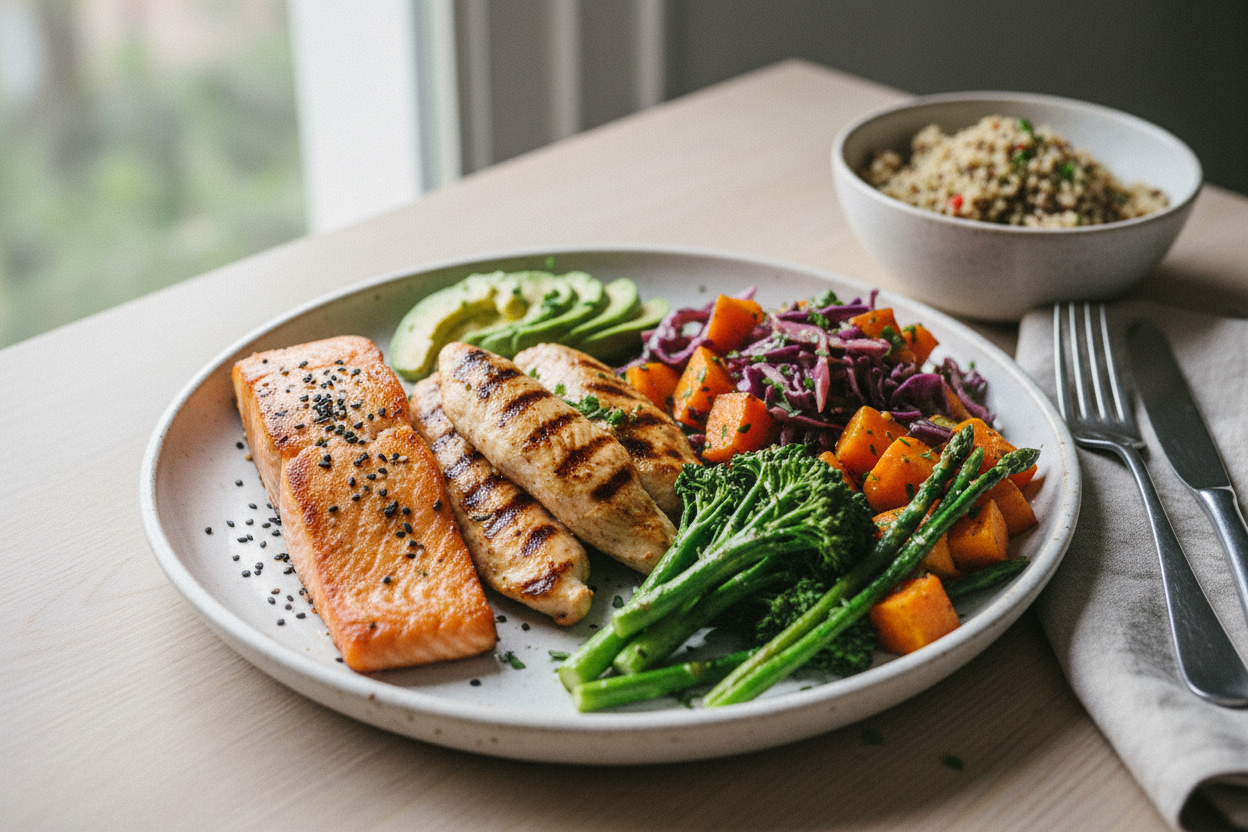
A simple way to begin is the Plate Method, a visual guide that keeps meals balanced without measuring every bite. Picture your plate: fill half with non-starchy vegetables like leafy greens, broccoli, peppers, or roasted carrots. Reserve a quarter for lean protein such as chicken, tofu, beans, eggs, or fish. The final quarter goes to whole grains or starchy vegetables like brown rice, quinoa, sweet potatoes, or whole wheat pasta. Add a small portion of healthy fats from avocado, olive oil, nuts, or seeds to boost flavor and nutrient absorption. This approach supports steady energy, better satiety, and diverse micronutrients. It is flexible across cuisines, works at home or on the go, and welcomes personal preferences. Think stir-fry with tofu, rice, and a heap of vegetables; a burrito bowl with beans, peppers, corn, and brown rice; or a hearty salad topped with salmon and quinoa. Start here, then adjust to your needs.
Know Your Macronutrients
Balanced plates rely on understanding macronutrients: carbohydrates, proteins, and fats. Carbohydrates provide quick and sustained energy, especially when chosen as complex carbohydrates like oats, legumes, and whole grains. These bring fiber, which slows digestion and supports blood sugar balance and gut health. Proteins supply amino acids for muscle repair, hormones, enzymes, and immune function; mix animal and plant sources to cover your needs. Pairing grains with legumes creates a complete amino acid profile, while options like dairy, eggs, fish, and soy are naturally complete. Fats support hormones, cell structure, and absorption of vitamins A, D, E, and K. Favor unsaturated fats from olive oil, nuts, seeds, and fish, and keep highly processed trans fats off the plate. Remember micronutrients such as iron, calcium, and B vitamins hide in all these foods. When you fill your plate with smart combinations, you get flavor, fullness, and nourishment in every bite.
Portions Made Simple
Portion awareness keeps a balanced plate truly balanced. Use simple cues instead of strict measuring. A palm-sized serving of lean protein, a fist of whole grains or starchy vegetables, two fists of non-starchy vegetables, and a thumb of healthy fats works for many meals. Adjust portions based on hunger, activity, and goals, remembering that needs vary day to day. Smaller plates can gently encourage portion control, while pre-portioning leftovers prevents mindless seconds. Eat more slowly, set your fork down between bites, and check in with a gentle hunger and fullness scale. Aim to finish pleasantly satisfied, not stuffed. Avoid labeling foods as good or bad; think balance, variety, and moderation. If you are highly active or recovering from illness, you may need larger portions, especially of carbohydrates and protein. Give yourself room to experiment, observe how you feel, and fine tune amounts over time for stable energy and comfort.
Build Flavor With Plants
Plants provide color, texture, and powerful phytonutrients that keep your plate satisfying and your body thriving. Aim for a rainbow of vegetables and fruits to capture different antioxidants and fiber. Try roasting Brussels sprouts with olive oil and lemon, sautéing kale with garlic, or steaming green beans and finishing with a drizzle of tahini. Frozen options are excellent when fresh produce is scarce; canned beans and vegetables can work well too when rinsed and chosen with low sodium. Layer flavor using herbs and spices like cumin, paprika, turmeric, basil, or ginger for depth without heavy sauces. Embrace prebiotic fibers in onions, leeks, bananas, and asparagus to feed a healthy gut microbiome, which influences digestion, immunity, and even mood. For variety, add quick sauces like yogurt herb dressing or citrus vinaigrette. When plants dominate half the plate, you automatically improve nutrient density, support digestion, and make room for the tastes and textures that keep balanced eating enjoyable.
Protein Choices That Work
Protein is the backbone of a balanced plate, supporting muscle maintenance, satiety, and recovery. Mix sources for nutrition and enjoyment. Choose lean protein like chicken, turkey, fish, eggs, low fat dairy, tofu, tempeh, edamame, beans, or lentils. Combine grains and legumes for complete amino acid coverage, such as rice with beans or hummus with whole wheat pita. For a practical portion, aim for a palm-sized serving at meals, then adjust to hunger and activity. Quick methods make protein convenient: roast a tray of chicken thighs, simmer a pot of lentils, or bake tofu with a bold spice blend. Add protein to breakfast with Greek yogurt, cottage cheese, tofu scrambles, or a bean-studded breakfast burrito. When preparing fatty fish like salmon, you get omega-3 fats that support heart and brain health. Season generously, keep cooking methods simple, and let the protein carry sauces, herbs, and vegetables to round out the plate.
Smart Carbs and Healthy Fats
Carbohydrates are not the enemy; choosing smart ones is the key. Opt for whole grains like quinoa, farro, oats, and brown rice; legumes such as chickpeas and black beans; and starchy vegetables like potatoes and squash. These provide fiber, minerals, and steady energy. Pair carbs with protein and healthy fats to slow digestion and sustain fullness. On the fat side, focus on unsaturated fats from olive oil, avocado, nuts, and seeds. Work in omega-3 sources such as salmon, sardines, flax, chia, or walnuts for inflammation support. Be mindful of portion sizes since fats are calorie dense; a thumb of oil or a small handful of nuts goes far. Match oils to cooking methods: olive oil suits low to medium heat, while avocado oil handles higher heat. Limit heavily processed snacks and pastries that combine refined flour, sugar, and poor quality fats. Build meals that deliver crunch, creaminess, and taste without sacrificing balance.
Hydration, Snacks, and Timing
A balanced plate works best alongside good hydration and thoughtful eating rhythm. Water is your baseline; add sparkling water, fruit infused water, or herbal tea for variety. Unsweetened coffee and tea can fit, but pair them with water to stay hydrated. Snacks bridge gaps and keep energy steady when they include protein, fiber, and a bit of healthy fat. Try an apple with peanut butter, yogurt with berries and seeds, hummus with carrots and whole grain crackers, or cottage cheese with pineapple. Consider light pre workout carbs like a banana, and add post workout protein to support recovery. Breakfast can be balanced with oats, nuts, fruit, and yogurt, or eggs with vegetables and toast. Timing is personal; some thrive on three meals, others on smaller meals with snacks. Let mindful eating guide you: tune into hunger cues, avoid skipping meals that leave you ravenous, and limit sugary drinks that crowd out nutrients.
Plan, Shop, and Stick With It
Consistency comes from planning, not perfection. Start with a simple meal plan, a grocery list, and a few reliable recipes. Stock pantry staples like canned beans, tomatoes, tuna, broth, spices, and whole grain pasta or rice; keep frozen vegetables and fruits for quick sides and smoothies. Batch cook proteins and grains, wash and chop produce, and assemble grab and go containers so weekday meals nearly assemble themselves. Build fast plates such as stir fries, taco bowls, hearty salads, or sheet pan dinners that follow the Plate Method. When dining out, scan menus for vegetables, lean protein, and whole grains; ask for dressings or sauces on the side and listen to your hunger cues. Read labels with an eye for added sugars, sodium, and quality fats. Expect detours, and course correct at the next meal without guilt. Celebrate small wins, track what helps you feel your best, and let your routine evolve as your life does.