Sleep Hygiene: Create a Nighttime Routine That Works
Create a calm, consistent bedtime routine with science-backed sleep hygiene, from light and caffeine timing to an easy 60-minute wind-down.
Start with Consistency
Building strong sleep hygiene begins with consistency. Your circadian rhythm thrives on predictable timing, so aim to keep your sleep schedule steady every day, including weekends. Anchor your wake time first, since getting up at the same time teaches your body when to release energy and when to wind down. If your schedule is off, adjust gradually rather than making big leaps; small shifts help avoid the grogginess of social jet lag. Treat bedtime as a flexible window that narrows as your body learns the rhythm. Create a brief pre-bed checklist to cue your brain toward rest, and protect that window like an appointment. If you cannot fall asleep within a reasonable period, step out of bed and do a calming activity in dim light until sleepiness returns. Returning to bed only when drowsy helps your brain associate bed with sleep, not tossing and turning. Over time, consistent timing reduces sleep latency and boosts morning alertness.
Design a Wind-Down
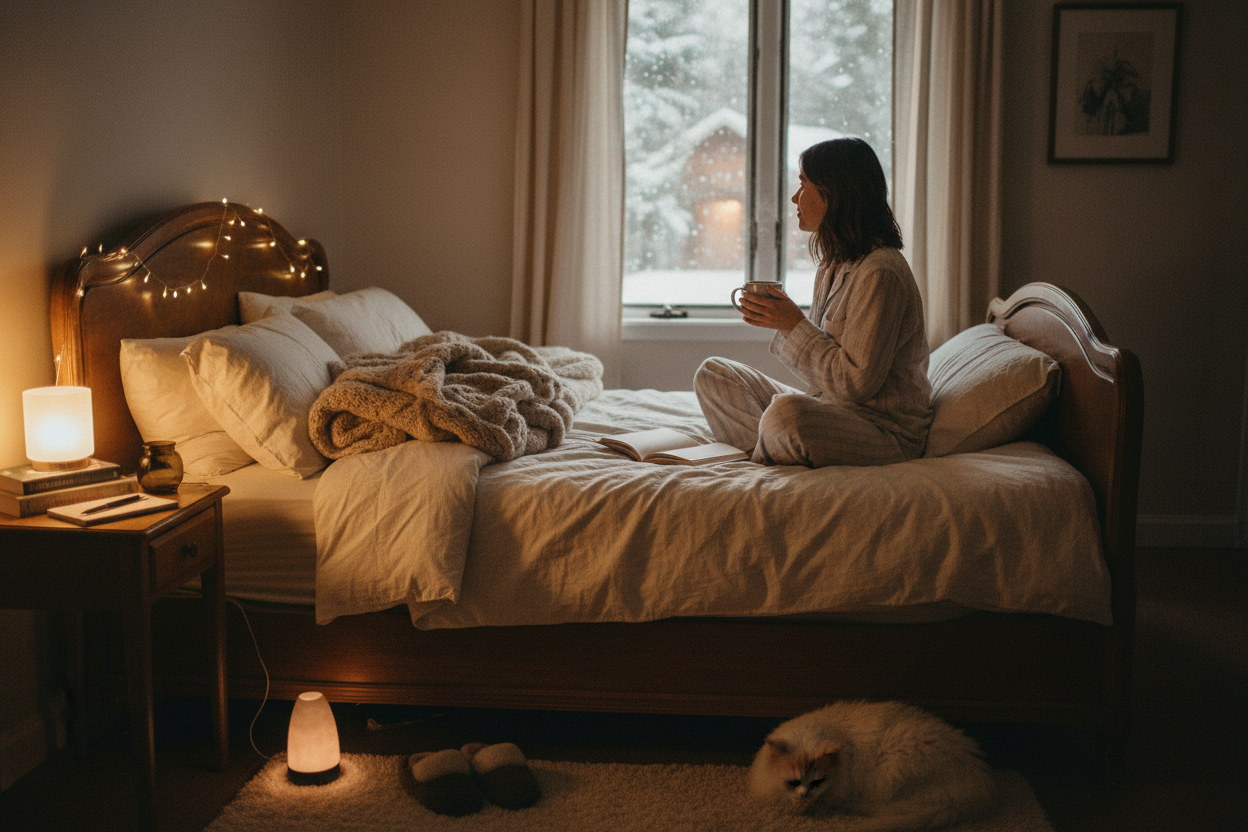
A thoughtful wind-down routine signals your nervous system that night has arrived. Plan 30 to 60 minutes of gentle, predictable steps that reduce stimulation. Dim lights, put away demanding tasks, and switch from problem solving to soothing activities like light stretching, a warm shower, journaling, or reading printed pages. Keep the sequence the same to create a conditioned cue your brain recognizes as a path toward sleep. Avoid intense debates, challenging work, or emotionally charged media that elevate arousal. Low-effort preparation, such as laying out clothes for the next day, can reduce next-day worries without spiraling into productivity mode. Consider calming sensory anchors like soft music at low volume or a mild, pleasant scent that you reserve only for nighttime. The goal is not to do more, but to gently do less, giving your mind and body space to glide into rest. When practiced consistently, this ritual trims sleep latency and improves the quality of your rest.
Shape Your Bedroom
Your bedroom should feel like a sleep sanctuary, designed to support thermal comfort, darkness, and quiet. Aim for a cool temperature that prevents overheating and favors deep sleep. Block light leakage with curtains or a sleep mask, and tidy cables or electronics that emit small glows. Reduce noise with a fan or gentle noise masking if your environment is unpredictable. Choose supportive pillows and breathable bedding that help with pressure relief and moisture control, and keep the space uncluttered to lower mental load. Reserve the bed for sleep and intimacy so your brain associates it with rest rather than scrolling or work. Keep nightstands simple and reachable to minimize fumbling in the dark. If you share a room, discuss preferences and find compromises for lighting and temperature so you both sleep well. Small adjustments in layout, textiles, and light control add up, turning your bedroom into a sleep cave that reliably invites relaxation.
Master Light Exposure
Light is a powerful zeitgeber, the cue that synchronizes your circadian rhythm. During the day, especially in the morning, seek bright natural light to anchor your internal clock and lift alertness. In the evening, shift to dim-to-dark. Reduce screen brightness, enable warm color settings, and position lamps low with amber tones to limit blue light exposure that suppresses melatonin. Keep overhead lights off at night if possible, and make your path to the bathroom safe with low-level, warm illumination that preserves sleepiness. If you need to work late, take strategic breaks away from screens and cap the session earlier than usual. Pair a lighting change with your wind-down routine so your brain learns that softness of light equals safety and rest. Remember that light timing matters as much as light amount; bright light early helps you wake, while dim light late helps you drift. Consistent light habits reduce bedtime alertness and smooth the transition to sleep.
Evening Food and Drink
What and when you consume in the evening can shape sleep quality. Be mindful with caffeine, which can linger and delay sleep pressure; switch to non-caffeinated beverages well before bedtime. Alcohol may make you drowsy but often fragments sleep and reduces REM quality, so keep intake modest and earlier. Avoid heavy, spicy, or fatty meals late, which can burden digestion and trigger reflux when lying down. If you get hungry before bed, consider a light snack that blends complex carbohydrates and a little protein to steady blood sugar, such as yogurt with oats or a banana with nut butter. Hydrate steadily throughout the day, then taper fluids in the last couple of hours to minimize wake-ups. Notice how specific foods affect your body and adjust accordingly. By aligning timing, portion size, and composition, your evening nutrition supports stable energy, calm digestion, and a smoother descent into restful sleep.
Calm the Mind
Even with a perfect routine, an active mind can keep you awake. Build habits that reduce rumination and activate the parasympathetic branch of your nervous system. Schedule a brief worry time earlier in the evening to list concerns and capture next steps, then set the list aside so bedtime stays free of problem solving. Practice slow breathing such as box breathing or extended exhales to lower heart rate and signal safety. Try progressive muscle relaxation, scanning from toes to head while releasing tension with each breath. Gentle mindfulness, guided imagery, or a short gratitude reflection can nudge attention away from loops of thought. If anxious thoughts return, note them without judgment and bring focus back to breath or sensation. Keep these tools simple, repeatable, and paired with your wind-down. Over repeated nights, the brain learns that bed equals calm, and your ability to disengage from mental chatter improves.
Move for Better Sleep
Daily movement boosts sleep pressure, stabilizes mood, and aligns temperature rhythms that aid sleep onset. Aim for regular exercise most days, choosing activities you enjoy so consistency sticks. Vigorous workouts earlier in the day can deepen slow-wave sleep, while gentler sessions like stretching, yoga, or an easy walk fit well in the evening. If intense exercise late at night leaves you wired, experiment with timing and intensity until you find your sweet spot. As your body warms during activity and then cools later, the drop in core temperature can support drowsiness. Pair movement with daylight exposure when possible to reinforce circadian cues. On busy days, even short micro-sessions contribute to overall fatigue in a helpful way. Balance ambition with recovery: overtraining can elevate stress hormones and disrupt rest. Consistent, well-timed movement becomes a quiet engine that powers deeper, more restorative sleep without requiring drastic changes.
Morning Sets the Night
A strong night routine actually begins in the morning. Wake at your anchored time, get outside or near a bright window, and move your body to reinforce your circadian rhythm. Morning light acts as a potent zeitgeber, helping set the timer for evening melatonin release. A protein-forward breakfast and steady hydration support energy without spikes and crashes that can echo into the night. Plan your day with brief checkpoints so tasks do not spill into late hours. If you nap, keep it short and early to preserve sleep pressure for bedtime. In the late afternoon, start easing stimulation by finishing caffeine and sketching a simple evening plan. As day closes, you return to your wind-down and bedroom cues, completing the feedback loop that teaches your body what to expect. Over time, these daytime choices make nighttime effortless, turning sleep from a struggle into a dependable, health-affirming habit.