Rainy Day Travel: Making the Most of Wet Weather
Turn soggy forecasts into memorable adventures with smart packing, flexible itineraries, cozy indoor finds, and rainy-day photo tips for every destination.
Shift Your Mindset Rain can feel like a setback on the road, yet it often reveals a destination's quieter pulse and authentic rhythms. Approach wet weather as an invitation to slow down, tune into texture and sound, and notice details that sunshine tends to wash out. Cobblestones gleam, gardens release deeper aromas, and cafe conversations linger longer. Build micro-adventures into your day: a stroll beneath arcades, a tram ride, a steaming bowl of local comfort food. Treat puddles as playful mirrors for creative photography, capturing reflections of spires, markets, and umbrellas. If spirits dip, craft a ritual: a warm drink, a dry change of socks, five minutes of mindful breathing under shelter. The shift from frustration to curiosity transforms a damp forecast into a richer story. Check how locals adapt, borrow their pace, and lean into indoor moments that would be rushed otherwise. Rain is not the enemy of travel; it is a different lens.
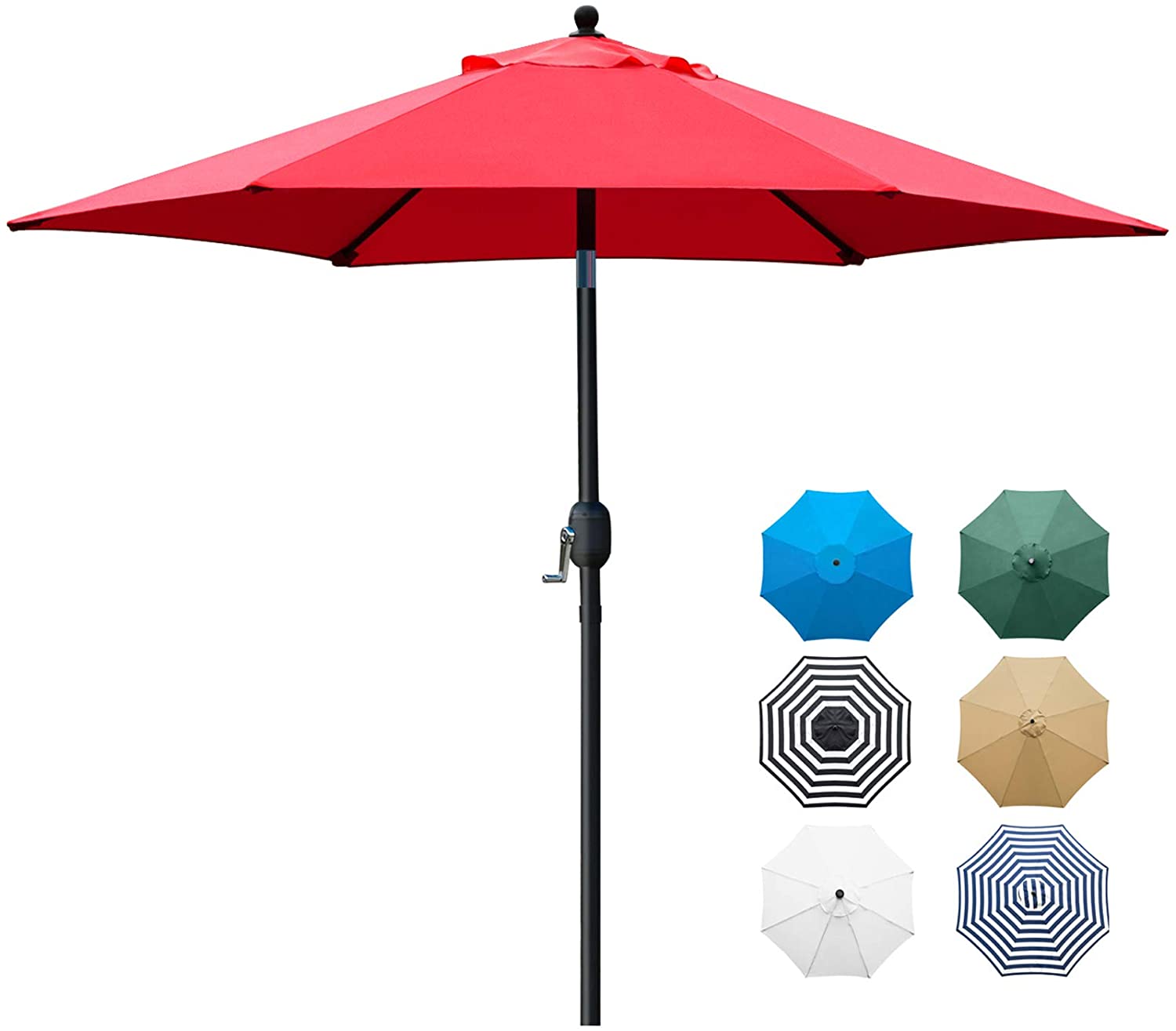
Pack Like a Pro Wet weather travel rewards smart systems. Prioritize a waterproof shell with breathable fabric, plus quick-dry base layers that manage moisture without bulk. Choose seam-sealed footwear or lightweight boots, and slip in compact anti-slip grips for slick sidewalks. Protect essentials with a pack cover and a couple of roll-top dry bags to separate damp clothing from clean items. A travel-size microfiber towel, foldable umbrella with wind resistance, and a soft beanie help regulate temperature. Stash a small pouch for electronics with zip pouches and silica gel; use simple rain sleeves or a plastic cover for your camera. Pack spare socks in an outer pocket for quick changes. Include re-sealable bags for tickets, maps, and ID, plus a slim laundry line for overnight drying. Think in layers, compartments, and redundancy so one soaked item does not cascade into discomfort. A prepared kit keeps you nimble, warm, and ready for spontaneous detours.
Master the Flexible Itinerary Build your days around time blocks instead of fixed hours, and assign a wet-weather alternative to each block. Pair an outdoor walk with a nearby museum, gallery, or historic house, and note cozy cafes for strategic pauses. Pre-book popular indoor attractions when possible, while keeping room to linger if the rain intensifies. Use public transit corridors and covered passages to string stops together, minimizing exposure between locations. Allocate a buffer at midday to swap layers, dry gear, and reset plans. Consider structured experiences that shine in rain: market tastings, cooking classes, craft workshops, or a live performance. Track conditions through local broadcasts and observe drainage patterns on streets before committing to long walks. When clouds break, jump on short windows for viewpoints, parks, or riverfronts; when showers return, pivot indoors without friction. A flexible mindset, paired with a modular plan, turns unpredictable weather into an elegant rhythm.
Tap Into Local Comforts Rain highlights rituals communities have refined over generations. Seek comfort cuisine where steam fogs the windows and conversations stretch: noodle counters, bakeries, tea rooms, and rustic taverns. Ask about seasonal specialties that warm from within, and learn their stories. Many destinations offer rain-friendly cultural spaces, from libraries and community centers to bathhouses and traditional performance venues. Join a workshop in pottery, weaving, or calligraphy to anchor your day with a tangible memory. Browse indoor markets to observe daily life under one roof, sampling produce and chatting with vendors. Strike up gentle conversations with staff who often share weather-savvy tips and neighborhood gems. Notice how architecture manages water—gutters, canals, covered walkways—and let that guide your route choices. By leaning into spaces where locals gather when skies open, you trade soggy wandering for connection, discovering textures of the place that fair-weather itineraries often skip.
Create Weather-Rich Media Rain is a gift to visual storytelling. Colors saturate, streets mirror skylines, and mist softens edges. Work with overhangs and doorways for cover, shoot reflections at a low angle, and use bold subjects—umbrellas, lanterns, murals—to anchor the frame. Keep a microfiber cloth for lenses and a simple rain shield for your device. Audio thrives too: capture the patter on roofs, tram bells on wet rails, or laughter bouncing from arcades. Journal sensory details—scents of petrichor, texture of stone, warmth of soup—to enrich captions later. For portraits, face your subject toward open shade and let the damp air add a gentle sheen. Experiment with long exposures to streak raindrops and traffic, or freeze splashes for crisp energy. Remember etiquette: protect indoor spaces and ask permission when photographing people. By curating images and notes that harness the atmosphere, you return with memories that feel alive, not despite the rain but because of it.
Stay Safe and Sustainable Wet conditions demand calm, informed choices. Scout drainage and elevation on your routes, avoid fast-flowing water, and heed closures on trails or coastal walks. In thunderstorms, seek substantial shelter and pause metal-rail viewpoints. Choose footwear with traction and step carefully on marble, tile, and worn stone. Keep a small kit with electrolytes, blister care, and a compact warming layer. Back at your stay, set a drying routine: hang gear with airflow, stuff shoes with paper, crack a window or use ventilation to deter mildew. Opt for low-impact activities when paths are saturated to prevent erosion, and support local businesses offering indoor experiences. Consider refillable containers and biodegradable soaps when washing mud from clothes. Share space courteously in crowded shelters, and offer a seat to those who need it most. A thoughtful blend of safety, comfort, and respect ensures the rain leaves only memories and not complications.