Packing Smarter: What to Bring and What to Leave Behind
Streamline your suitcase with a smart, flexible packing system: bring versatile essentials, skip space-stealers, and travel lighter with confidence.
Smart Packing Mindset: Packing smarter starts before you zip your bag. Begin with your itinerary, climate range, and activities, then choose a bag that encourages you to pack light rather than to fill space. Set clear constraints such as a carry-on and a small personal item, and use them to prioritize what truly supports your trip. Make a short essentials list and a leave-behind list to curb impulse additions. Research local amenities, typical dress norms, and laundry availability so you can bring less with confidence. Think in systems: outfits that mix, toiletries that multitask, and devices that share chargers. Visualize your days, from transit to dinners, and commit to items that perform in more than one scenario. When in doubt, wait; you can often buy a missing item on the road. That said, do not skip irreplaceables like prescriptions, documents, or specialized gear. This mindset transforms packing from cramming to curating, saving time, money, and stress.
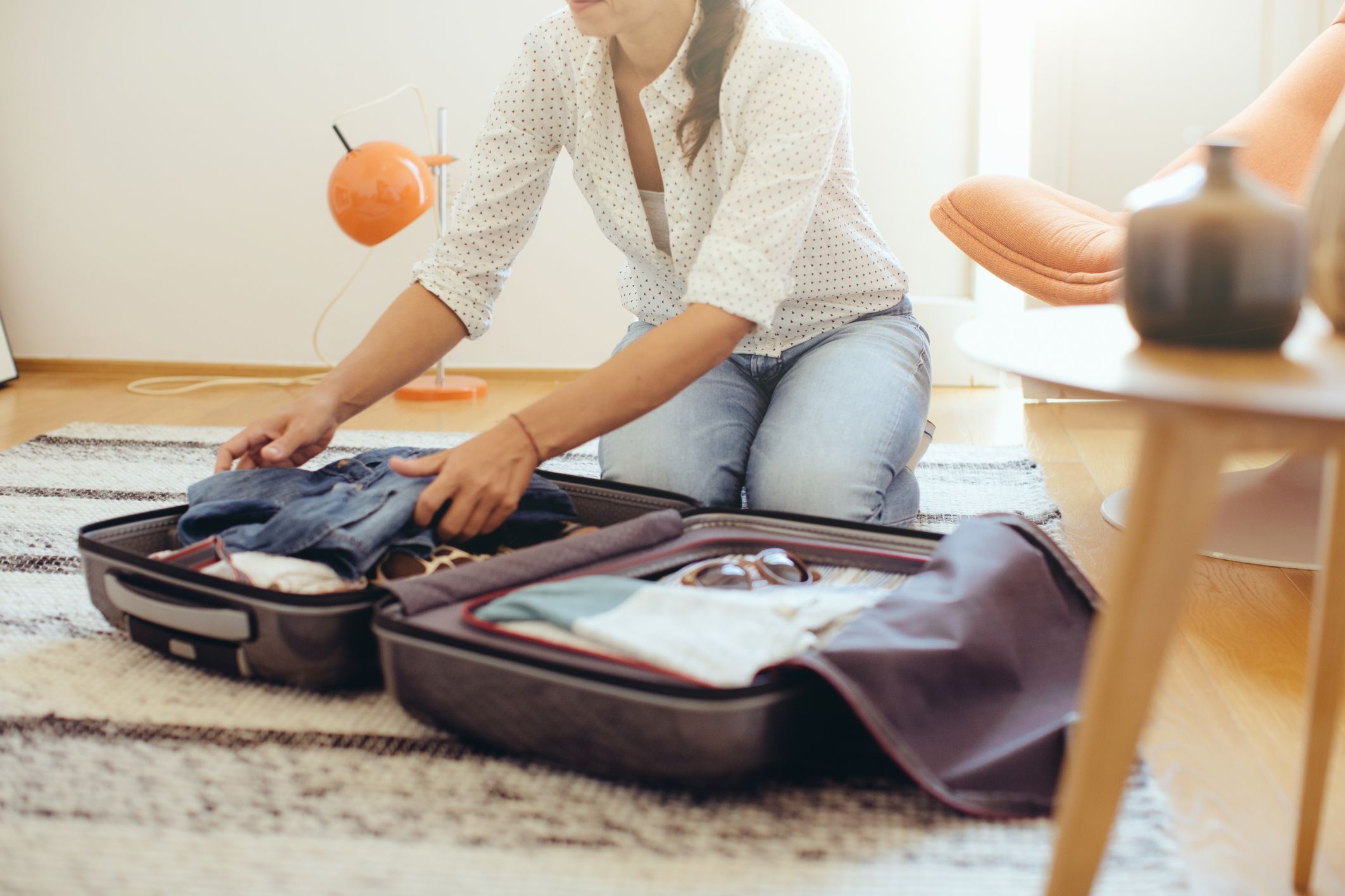
Build a Versatile Capsule: Clothing is where bulk grows fast, so create a capsule wardrobe built on mix-and-match pieces. Choose a base palette of neutrals with one accent color so everything coordinates. Favor layers over bulky single-purpose items; a light sweater plus a compact shell outperforms a heavy coat across changing conditions. Select quick-dry, wrinkle-resistant fabrics like merino blends and technical synthetics for repeat wear and sink washes. Limit shoes to two or three pairs maximum: a versatile sneaker, a dressy-yet-comfortable option, and, if needed, lightweight sandals. Keep accessories minimal but impactful, such as a scarf that adds polish and warmth. Fold or roll consistently and use compression cubes to keep outfits organized by activity or day. Plan for laundry rather than packing duplicates, and skip items you can layer to replicate, like extra hoodies. With a thoughtful capsule, you will look pulled together, adapt to weather shifts, and carry less without sacrificing style.
Toiletries That Travel Well: Toiletry kits become heavy quickly, so edit them to multi-use, decanted, and solid options. Transfer liquids into small, labeled containers that meet carry-on liquid limits and pack them in a leakproof pouch. Consider solid toiletries like shampoo bars, conditioner bars, and bar soap to avoid spills and save space. Choose a compact toothbrush, mini toothpaste, and a small sunscreen appropriate for your destination. Build a mini travel pharmacy with pain relievers, motion-sickness tabs, bandages, and any prescriptions in original packaging. Leave behind hotel-duplicated items such as bulky body wash or large lotion bottles. If your accommodation offers basics, rely on them and bring only personal must-haves like a specific skincare step or contact lens supplies. Add a tiny laundry soap for sink washes, a razor with a cover, and a lightweight comb. Keep it simple, secure, and spill-proof; your kit should support, not dominate, your bag.
Streamlined Tech and Docs: Technology should enhance your trip, not tether you to cables. Start with a universal adapter, a compact power bank, and a multi-port charger so you can recharge several devices overnight. Bring only what you will truly use daily: perhaps a phone, earbuds, and an e-reader instead of a heavy laptop. Pack short, labeled cables with a small organizer to avoid tangles. Download offline maps, reservation details, and entertainment to reduce data woes, and keep digital copies of key documents stored securely. Carry physical backups of essentials like your passport ID page and reservation confirmations in a slim folder, separate from the originals. For photographers, choose one versatile lens and spare memory cards rather than multiple heavy lenses. Leave gaming consoles, duplicate cameras, and excess accessories behind. The goal is lightweight reliability: fewer devices, smarter power management, and easy access to the information that keeps your journey smooth.
Comfort and Health Essentials: Small comfort items pay big dividends on long travel days. A compact sleep mask, soft earplugs, and a supportive neck pillow can transform overnight flights and buses. Pack a reusable water bottle to stay hydrated and a few nutritious snacks for delays or early starts. Include a pocket hand sanitizer, lip balm, and a tiny moisturizer to combat dry cabins. If you are prone to swelling, compression socks help on long flights. A minimalist first-aid kit with bandages, blister pads, and basic meds keeps you independent and reduces time spent searching pharmacies. Consider a lightweight shawl or cardigan for drafty planes and indoor air conditioning. Skip heavy hardcover books by using an e-reader or downloaded audiobooks. Aim for comfort that fits in your personal item, organized and reachable. These thoughtful touches protect your energy and mood, so you arrive ready to explore rather than recover.
Tools That Earn Their Space: Smart accessories keep your bag neat and your mind clear. Packing cubes segment outfits and make repacking painless, while compression cubes slim bulky items like sweaters. A simple laundry bag separates worn items, keeping clean clothes fresh. Use shoe bags or shower caps to protect garments from soles. A light foldable daypack or tote becomes your daily carry for snacks, layers, and souvenirs. A portable luggage scale prevents surprise fees and encourages disciplined packing throughout the trip. Consider a tiny sewing kit and a few safety pins for quick fixes. If you plan to wash on the road, bring a sink stopper and a braided clothesline; they weigh little and add flexibility. Skip heavy vacuum bags that demand a pump or wrinkle clothes excessively. Every tool should solve a specific problem, be durable, and add more utility than weight. When in doubt, streamline and rely on versatile, compact solutions.
Knowing What to Skip: The secret to packing smarter lies in ruthless editing. Say no to just-in-case items you rarely use at home. Skip duplicate outfits, extra jeans, full-size toiletries, specialized hair tools, and more than two or three pairs of shoes. Avoid bulky towels when quick-dry travel towels or accommodation linens suffice. Leave expensive jewelry and irreplaceable valuables at home to reduce risk and mental load. Reduce paper clutter by digitizing reading material and confirmations, keeping one slim folder for true must-haves. Evaluate gear by cost of replacement versus cost of lugging it; many basics can be purchased locally if needed. Be realistic about workout routines on the road and bring multipurpose activewear rather than single-use pieces. Remember, every item has a weight, a volume, and a mental footprint. The more you carry, the more you manage. Skipping the nonessentials creates room for spontaneity, souvenirs, and a calmer travel experience.
Sustainable, Adaptable Travel: Packing smart can also be eco-friendly and adaptable. Choose reusable items like a water bottle, travel cutlery, and a compact tote to reduce single-use waste. Favor durable fabrics that resist odors and require fewer washes, and spot clean to extend wear. Build weather resilience with thin layers, a packable rain shell, and a sun hat, adjusting on the fly without carrying heavy backups. Respect local culture by including modest or appropriate attire where needed, which often reduces last-minute shopping. Plan a simple laundry routine using quick-dry pieces and a travel clothesline so you can pack less. Keep a small buffer in your bag for items you might pick up on the road, and consider souvenir rules like choosing consumables or textiles that compress well. Finally, review your kit after each trip, noting what you used, what you loved, and what went untouched. Continuous refinement makes every journey lighter, kinder, and more enjoyable.