Noise-Cancelling Earbuds vs Headphones: Which Suits You Best?
Compare noise-cancelling earbuds and headphones on comfort, sound, battery, calls, and travel to decide which ANC option truly fits your lifestyle.
The Core Question
Choosing between noise‑cancelling earbuds and noise‑cancelling headphones comes down to lifestyle, comfort preferences, and sound priorities. Both rely on active noise cancellation that listens to ambient sound and generates an inverse signal to reduce distractions. Earbuds use a deep seal in the ear canal plus passive isolation, while over‑ear headphones depend on cushioned ear cups that form a barrier around the ear. Earbuds win on portability and discretion, slipping into pockets and suiting quick errands, gym sessions, and commuting. Headphones often deliver a wider soundstage, more powerful drivers, and gentler long‑term listening at lower volumes. Consider your noise profile as well. Constant low rumbles from buses or HVAC systems are often tamed efficiently by ANC, whereas sudden bursts or high‑frequency chatter may require strong passive isolation. If you value compactness, minimal weight, and seamless everyday carry, earbuds shine. If you crave expansive sound, plush comfort, and immersive focus, headphones may suit you best.
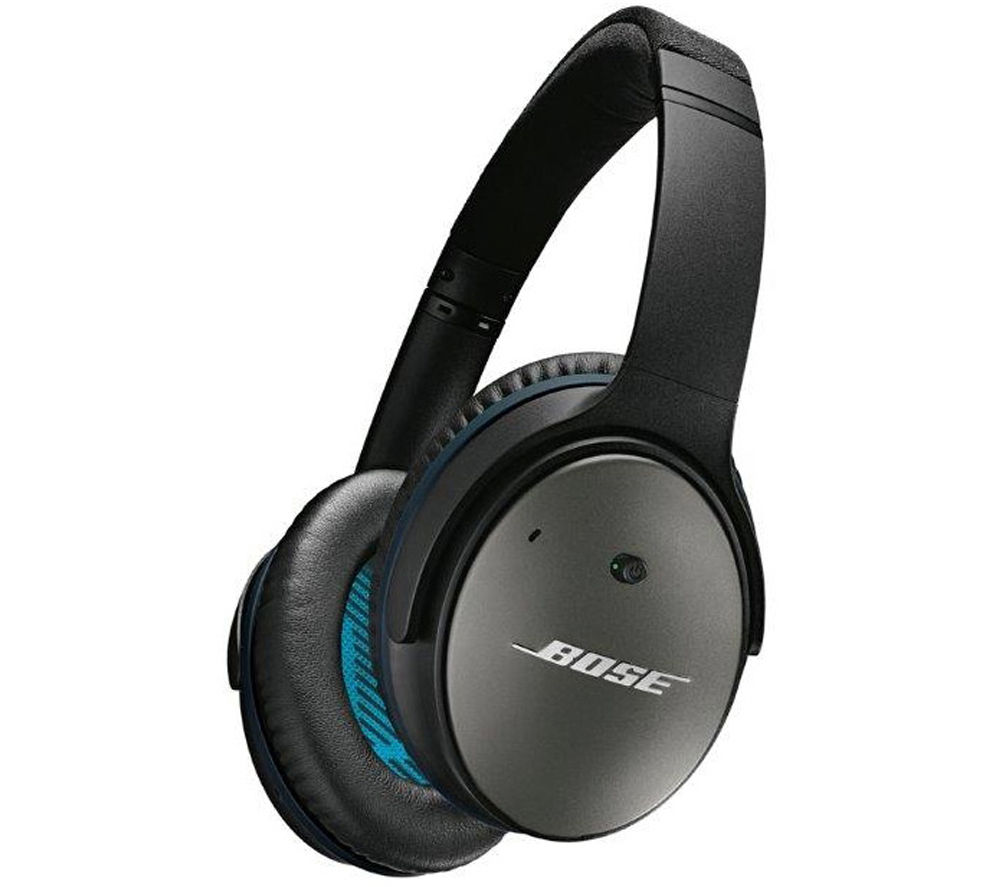
Comfort and Fit
Comfort is both science and personal preference. Earbuds rely on a secure ear tip interface and correct sizing for seal and stability. Foam or silicone tips, adjustable ear wings, and fit‑test features can dramatically improve comfort and noise reduction. Some users experience canal pressure or fatigue with in‑ear designs, especially during very long sessions. Over‑ear headphones distribute weight over the headband and cushions, but introduce factors like clamp force, heat buildup, and compatibility with glasses and hairstyles. Premium pads and lighter materials help, yet extended wear can still create pressure points. If you routinely move, stretch, or exercise, snug earbuds may feel less intrusive and stay put. For desk work or long flights, plush over‑ear pads often feel more relaxing, letting you listen at lower volumes. Think about your daily posture, whether you wear glasses or hats, and how often you remove and reinsert audio gear. A quick try‑on and thoughtful adjustment frequently solve fit issues.
Sound and Silence
Sound quality is shaped by driver size, acoustic design, and ANC tuning. Over‑ear headphones typically offer deeper bass extension, stronger dynamics, and a broader soundstage that places instruments with satisfying separation. Earbuds can be impressively capable, but the smaller acoustic chamber and reliance on a tight seal shift emphasis toward clarity and immediacy. ANC introduces trade‑offs. Some implementations subtly color the frequency response or reduce airiness, while others preserve detail remarkably well. Passive isolation matters too; a superior seal can reduce the workload of active noise cancellation, allowing lower volumes and cleaner transients. Consider your library and habits. Casual listeners may enjoy the energetic, close‑up presentation of earbuds. Detail seekers who care about imaging, microdynamics, and fatigue‑free listening often prefer full‑size headphones. Codec support, EQ customization, and low‑latency modes can refine the experience, but the fundamentals remain consistent: fit, seal, and the physics of driver size determine the core sonic character.
Calls, Work, and Travel
Modern ANC devices double as communication tools. Earbuds often pack excellent beamforming microphones that isolate your voice and mitigate room noise, making them ideal for quick calls on the go. Over‑ear headphones usually provide consistent mic placement and better wind shielding, which helps outdoors and in transit. Look for sidetone or self‑monitoring so you can modulate speaking volume naturally. Transparency or ambient modes are essential for hearing announcements or collaborating with colleagues without removing your gear. Multipoint connectivity helps you juggle laptop meetings and phone calls without manual switching. For frequent flyers and commuters, earbuds excel in pocketability and quick awareness toggles at security or ticket checks. Headphones bring restful immersion during long rides, dulling cabin drone and reducing fatigue. If your day alternates between meetings and movement, earbuds offer agile utility. If you need a private office anywhere you sit down, headphones create a reliable, focused workspace.
Battery and Power
Battery strategy differs by form factor. Earbuds rely on a compact internal cell plus a charging case that extends total playtime across the day. The case top‑ups enable frequent short sessions without anxiety, though very small cells may be more sensitive to repeated fast charges and deep cycles. Over‑ear headphones house larger batteries that support longer continuous listening, ideal for extended work blocks or travel. Many devices offer fast charging, giving meaningful playback from a short plug‑in. To preserve battery health, avoid extreme heat, store at moderate charge levels when idle, and use moderate volume settings that reduce drain. Wired fallback modes on some headphones provide a lifeline when power runs low, while earbuds depend on case availability. Consider your rhythm. If you prefer numerous short bursts, earbuds plus case rotations feel seamless. If you run marathon sessions or forget to charge, the endurance of headphones reduces interruptions and keeps you in the flow.
Durability and Care
Longevity rests on materials, hinges, and resistance to sweat and splashes. Many earbuds offer some water resistance, making them suitable for workouts and humid days, but they need regular cleaning to maintain hygiene and acoustic performance. Replaceable ear tips restore seal and comfort when wear sets in. Over‑ear headphones face different challenges: pad compression, headband fatigue, and potential hinge stress. Swappable ear pads can revive comfort and sound, while a sturdy case prevents damage in backpacks. Salt, sunscreen, and hair products degrade surfaces over time, so gentle wiping after use helps. Keep mesh grilles and microphone ports clean to protect ANC performance and voice pickup. Avoid tossing devices loose into bags where debris can block vents or scratch finishes. Whether you choose earbuds or headphones, a simple maintenance ritual extends both appearance and function. Treat your audio gear like a daily tool, and it will repay you with consistent, reliable performance.
Budget and Choices
Your decision should balance budget, ecosystem fit, and feature priorities. Earbuds often deliver excellent ANC and smart features at competitive prices, while headphones can justify higher costs with elevated comfort, larger drivers, and longer wear endurance. Consider app support for EQ, ANC profiles, and find‑my features. Check codec compatibility with your devices to maximize quality and stability. If you live in video calls, emphasize microphone performance and sidetone. If you commute, prioritize compactness, quick pairing, and transparency. For focused listening at home, favor sound quality, pad comfort, and optional wired modes. A simple framework helps. Choose earbuds if you value portability, secure fit for movement, discreet calls, and frequent short sessions. Choose headphones if you want a spacious soundstage, plush comfort for long blocks, longer battery life, and a calm personal zone anywhere. Both categories have stellar options, so align the tool with your routine rather than chasing spec sheets alone.