Noise-Canceling Headphones vs. Earbuds: Which Fits Your Lifestyle?
Choosing between noise-canceling headphones and earbuds? Compare comfort, portability, isolation, battery life, and use cases from commute to workouts.
Fit and Wearability: For many listeners, the way audio gear feels hour after hour matters as much as how it sounds. Over-ear noise-canceling headphones distribute weight with padded headbands and plush ear cushions, creating a stable seal that reduces fatigue on long commutes and focused work sessions. Earbuds trade cushion for minimalism; they slip into a pocket and vanish, ideal for quick errands, gym sessions, and travel where space is tight. Ear shape varies, so achieving a secure seal can require different tip sizes or wings. Glasses, hairstyles, and piercings can break a headphone seal, while earbuds avoid clamp force but may cause ear pressure for some users. Heat buildup is another consideration: over-ears can get warm, whereas earbuds keep ears cooler but may loosen during intense movement. If you wear hats or helmets, low-profile true wireless designs often integrate more comfortably. Ultimately, choose the form factor you can comfortably wear for your longest typical listening block.
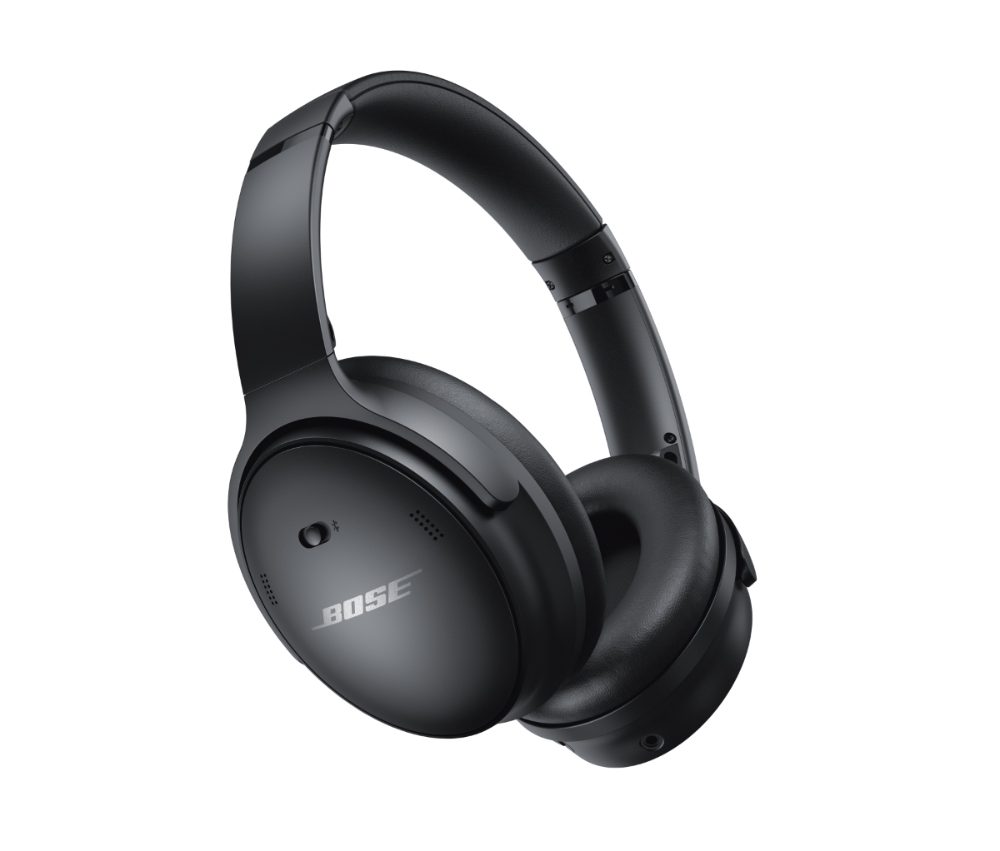
Noise Control and Sound Quality: The signature feature of modern gear is active noise cancellation (ANC), which uses microphones and algorithms to reduce droning sounds like engines or HVAC. Over-ear headphones combine ANC with superior passive isolation from large ear cups, usually delivering the deepest hush and a spacious soundstage. Earbuds rely on in-ear seals for passive blocking; well-fitted silicone or foam tips can rival larger models on flights while remaining discreet. Wind can challenge microphones, so look for wind-reduction modes if you spend time outdoors. Transparency or ambient modes pipe in outside sound, keeping you aware on city streets or when collaborating at a desk. Larger drivers in headphones often produce fuller bass and dynamic range, yet many earbuds now offer advanced EQ controls and adaptive tuning that compensate for ear shape. If you value cinematic immersion, headphones shine; if you prioritize awareness and subtlety, well-sealed earbuds with adjustable ANC strike a practical balance.
Battery Life and Charging Practicalities: Bigger frames mean bigger batteries; over-ear models commonly deliver multiple days of moderate listening per charge, making them reliable for long trips or marathon work sessions. Earbuds have smaller cells, but the charging case acts like a portable power bank, extending playtime across several top-ups. Quick-charge features give a useful burst of audio in minutes, helpful when you realize the battery is low before a call. Many devices charge via USB-C and some cases support wireless pads, reducing cable clutter across your computers and consumer electronics. Consider standby drain: leaving ANC or Bluetooth connected can slowly sip power, especially on multipoint connections to a laptop and phone. Headphones tend to broadcast stronger radios, which may cost more energy but improve stability across rooms. For predictable routines, either format works; for irregular schedules, the case-based safety net of earbuds is hard to beat, while the all-day endurance of headphones reduces charging habits entirely.
Calls, Controls, and Smart Features: If your day includes meetings and voice chats, microphone performance is crucial. Over-ears often use larger mic arrays with beamforming and noise suppression that keep speech clear in busy spaces. Premium earbuds counter with dual or triple mics per side and clever algorithms that reduce keyboard clicks and traffic rumble. Control schemes vary: physical buttons are reliable with gloves, while touch controls feel sleek but can misfire during workouts. Look for multipoint pairing to hop between a laptop, tablet, and phone, and consider low-latency modes if you edit video or play casual games. Companion apps unlock EQ, sidetone, and ANC presets, and some models offer head-tracking or spatial effects that enhance movies. Transparency tuning is invaluable when collaborating in an open office. Voice assistants can handle hands-free commands, but privacy settings and on-device processing options may matter to you. Evaluate how well the device integrates with your everyday software, not just your music.
Lifestyle, Durability, and Value: Map your typical environments to the strengths of each format. For commuting, studying, and deep-focus work at a desk, over-ear headphones provide maximum hush, comfort, and expansive audio that flatters long playlists and cinematic soundtracks. For fitness, shared living spaces, and travel where packing light matters, water-resistant earbuds stay discreet, sweat-friendly, and easily pocketable. Consider build quality: folding hinges and adjustable sliders on headphones can wear over time, while earbuds rely on snug cases and replaceable tips to stay fresh. If you need to hear announcements or talk with coworkers, adjustable transparency and one-ear listening favor earbuds. If you compose, mix, or want the most natural imaging for movies, headphones win on soundstage and consistency. Budget for extras such as replacement ear pads, tips, or a case. The best choice fits your habits, not just specifications: pick the device you will actually carry, wear, and enjoy every single day.