How to Read Nutrition Labels Without the Jargon
Cut through confusing food labels. Learn simple ways to decode serving sizes, calories, macros, added sugars, fiber, and ingredients—no jargon required.
Quick Start: What to Scan First
Skip the marketing on the front and go straight to the Nutrition Facts. Start with Serving size, because every number that follows is tied to that baseline. Then look at Calories per serving to gauge energy, and scan % Daily Value to see how a serving contributes to your day. Use a simple routine: check Sodium, Added sugars, and Saturated fat for limits you want to keep lower; check Fiber and Protein for nutrients that help with fullness and overall wellness. Compare similar foods side by side using the same serving size so you judge fairly. If two options are close on calories, favor the one with more Fiber and Protein, and less Added sugars and Sodium. Finally, glance at the Ingredients list to confirm quality. This fast triage helps you avoid decision fatigue and makes label reading practical instead of technical, giving you a clear sense of what truly matters at a glance.
Serving Size and Portions Made Simple
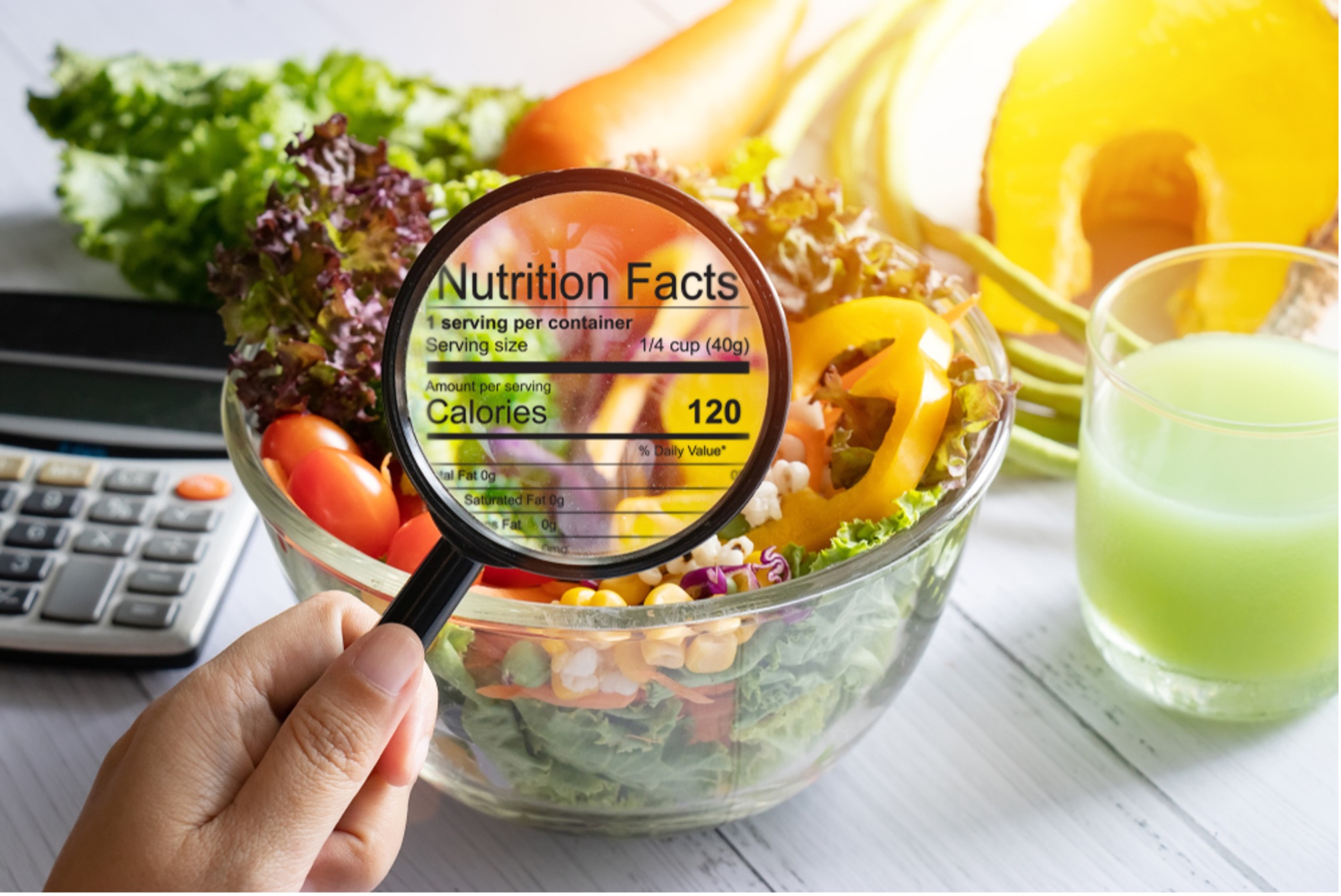
The biggest trap on a label is Serving size. Numbers for Calories, Sodium, Carbohydrates, and other nutrients apply to one serving, not the whole package. Many snacks, drinks, and ready meals contain multiple servings. If you eat or drink the entire package, multiply the label numbers by the total servings to see what you actually consumed. Serving sizes may be listed in cups, pieces, or grams. Grams are precise; use them to compare different brands or to scale your portion. If the serving is 40 grams and you have 80 grams, you just doubled everything. For liquids, note that bottles often hold more than one serving, which can quietly stack Added sugars and Sodium. Practical tips: pre-portion snacks, share large packages, or pour into a bowl instead of eating from the bag. Being portion-aware turns the label from a confusing chart into a straightforward tool for everyday choices.
Carbs, Sugars, Fats, and Protein Without the Jargon
Think of macros as the building blocks. Total carbohydrates fuel your body; within that, Dietary fiber supports fullness and digestive health, while Total sugars include both naturally occurring and Added sugars. Prioritize higher Fiber and lower Added sugars to keep energy steadier. For fats, the label shows Total fat, including Saturated fat and Trans fat. Aim to keep Saturated fat modest and Trans fat as low as possible, while choosing foods that provide healthier Unsaturated fats like those found in nuts, seeds, and certain oils. Protein helps with satiety and muscle maintenance; consider your activity level and preferences when comparing foods. A balanced pick often looks like this: reasonable Calories, notable Fiber and Protein, limited Added sugars, and restrained Saturated fat with some Unsaturated fat. Use the label to assemble a day of eating that mixes macro sources, rather than trying to make every single item perfect on its own.
Making Sense of % Daily Value at a Glance
The % Daily Value is a quick guide to how much a nutrient contributes to a typical day. As a rule of thumb, around 5 percent per serving is considered low, and around 20 percent is considered high. Use this to spot standouts quickly. Aim higher for nutrients many people underconsume, such as Fiber, Potassium, Calcium, and Iron. Aim lower for nutrients you may want to limit, like Sodium, Added sugars, and Saturated fat. Remember, % Daily Value is a reference point, not a personalized prescription. If you eat more than one serving, multiply accordingly; two servings at 15 percent sodium means 30 percent of your daily limit. This math works in your favor too: two slices of a bread with 8 percent Fiber per slice provide 16 percent toward your day. Let % Daily Value guide priorities across your meals, helping you balance highs and lows without overthinking every number.
Decoding Ingredients and Claims for Real-World Shopping
The Ingredients list reveals quality at a glance. Ingredients appear in order by weight, so the first few carry the most impact. Favor items where whole foods show up early, such as whole grains, legumes, nuts, fruits, or vegetables. Be mindful of multiple names for Added sugars like cane sugar, syrups, molasses, and concentrated juices; when several appear, the product likely leans sweet. Shorter lists can be helpful, but context matters; a well-made food can have a few more ingredients and still be a smart choice. Treat package claims with caution. Terms like natural, multigrain, light, or no sugar added each have nuances and do not guarantee overall nutrition. Use a simple workflow: scan Serving size, check Calories, review Sodium, Added sugars, Saturated fat, Fiber, and Protein, then confirm with the Ingredients list. This steady method turns shopping into a confident routine instead of a guessing game.