How to Build an Emergency Fund You Can Actually Use
Build a realistic emergency fund: how much to save, where to keep it, and simple steps to start, use, and replenish it without derailing your goals.
Define the emergency and your target — In personal finance, the most useful emergency fund starts with a precise definition of emergency. Think sudden, necessary, and unavoidable. A flat tire yes; holiday sales no. To size the fund, calculate your essential expenses only: housing, utilities, basic groceries, transportation, insurance, and minimum debt payments. That gives you a monthly baseline. Choose a target that reflects your reality. If your income is stable and predictable, a smaller cushion may work; if you are self-employed, support dependents, or have variable pay, aim higher. Set a starter milestone such as one month of essentials to build quick momentum, then expand toward three to six months as your circumstances warrant. If you share finances with a partner, align on what counts as essential and who the fund protects. Finally, acknowledge that this is insurance, not an investment; the goal is confidence and resilience, not maximum yield. Clear definitions and sizing keep the fund focused and actionable.
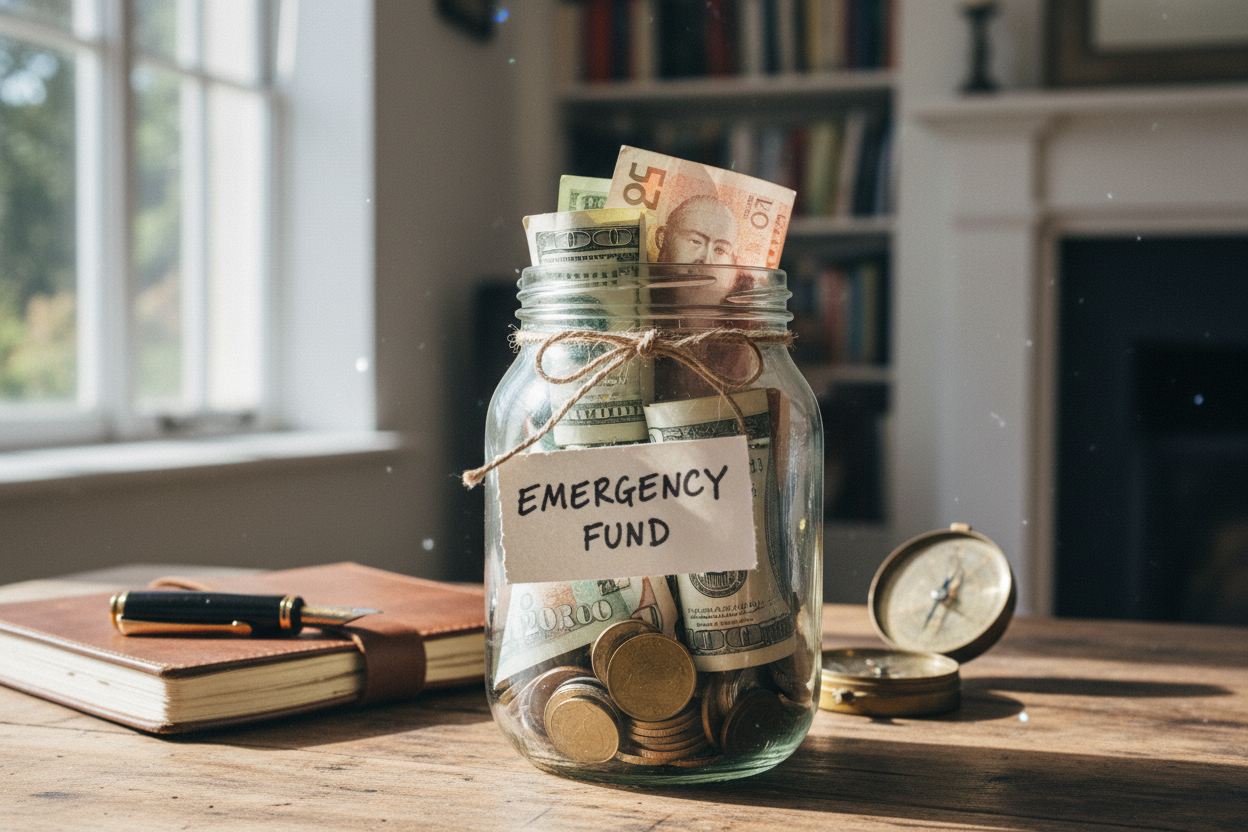
Pick a safe, accessible home for your fund — Your emergency fund must prioritize liquidity and capital preservation. Keep it separate from everyday spending so it is not accidentally used, yet accessible within a day when you truly need it. A dedicated, low-risk savings vehicle works well; avoid accounts that impose penalties, long delays, or market volatility. Create a bit of friction to curb impulse withdrawals, such as unlinking debit access while maintaining the ability to transfer quickly. Give the account a purposeful name to reinforce its role and reduce temptation. If you share finances, designate one simple access path and maintain clear visibility for both parties. Avoid mixing it with short-term goals like vacations or home decor; those belong in sinking funds, not in your safety net. The right home lets you act fast during a crisis without worrying about fees, price swings, or depleted balances from casual spending.
Automate the build and make saving painless — Treat your emergency fund like a mandatory bill you pay yourself first. Automate transfers on payday so money moves before you see it, removing decision fatigue. Start with an amount you can sustain, then step up contributions over time as debts shrink or income grows. Skim extras from windfalls such as bonuses, gifts, or refunds to accelerate progress without straining your monthly cash flow. Use simple behavioral nudges: rounding up purchases into savings, diverting canceled subscriptions, or channeling side income. Conduct a quick spending audit to find low-joy expenses to trim and reassign those dollars to your safety net. If cash flow is tight, split contributions between fixed and percentage-based amounts so your savings flex with income. Celebrate small milestones to reinforce the habit. Consistency beats intensity; a steady system will compound into meaningful protection even if individual deposits feel modest at first.
Set rules for using it and replenish fast — A practical fund needs guardrails. Use the three-part test: Is it necessary, urgent, and unexpected? Job loss, medical bills, or a critical car repair usually qualify. A routine bill you saw coming does not. When an emergency hits, withdraw only what you need and document the expenses. Triage by covering essentials first, then negotiate with providers, ask for payment plans, or consolidate timing to reduce cash strain. Afterward, switch to recovery mode: pause extra discretionary spending, temporarily reduce nonessential transfers, and increase automatic contributions until the fund is rebuilt. Keep a simple log of withdrawals and replenishments to learn from each event and refine your budget, insurance coverage, or buffer size. The goal is to use the fund confidently when it matters, then restore it deliberately so the next crisis does not find you exposed.
Maintain momentum and integrate with your plan — Once you hit your target, keep a light maintenance contribution to offset inflation and occasional dips. Revisit the size if your life changes: new dependents, a move, a mortgage, or a shift to variable income can all warrant a larger cushion. Draw a firm boundary between true emergencies and planned expenses; create sinking funds for items like car maintenance, home upgrades, or annual premiums so the emergency fund stays reserved for real shocks. Resist investing the emergency fund; think of it as insurance that trades higher returns for certainty and speed. If you consistently exceed your target, sweep surpluses to higher-priority goals such as debt repayment or long-term investing. Track progress visually to stay motivated, and schedule periodic check-ins to adjust contributions. By embedding the fund in your broader personal finance system, you ensure it remains usable, right-sized, and ready when life demands it.