Gut Health Basics: Foods That Support Your Microbiome
Learn which foods nourish your gut microbiome—from fiber and fermented picks to polyphenols—and simple ways to build a gut-friendly plate.
Understanding Your Gut Microbiome
Your gut microbiome is a bustling community of trillions of microorganisms that help you digest food, synthesize certain nutrients, and maintain a resilient digestive lining. When this ecosystem is balanced and diverse, it tends to produce beneficial short-chain fatty acids (SCFAs) such as butyrate, which support colon cells and maintain a healthy pH. Food is the primary architect of this environment: what you eat feeds either helpful residents or less desirable ones. Building meals around whole foods, plenty of fiber, and a spectrum of plant ingredients encourages a robust, adaptable community. Small, consistent choices matter. Choosing oats over sugary flakes, beans over refined sides, and vegetables over ultra-processed snacks can shift your internal landscape in your favor. Pairing fiber with healthy fats and proteins slows digestion and provides steadier energy, giving microbes more time to work. Think of each bite as a signal. The more signals you send that favor balance and diversity, the better your gut tends to perform.
Prebiotic Fibers: Feeding Friendly Bacteria
Prebiotics are fibers and compounds that your body cannot digest but your microbes adore. They arrive intact in the colon and become fuel for beneficial bacteria, encouraging the creation of SCFAs. Notable prebiotic fibers include inulin, fructooligosaccharides (FOS), and galactooligosaccharides (GOS). Everyday sources abound: onions, garlic, leeks, asparagus, slightly green bananas, oats, barley, beans, and lentils. You can also leverage resistant starch in cooked-then-cooled potatoes, rice, and green plantains, which gently feeds microbes and supports a satisfied, stable gut. Introduce these foods gradually and drink water throughout the day to make the transition comfortable. Consider layering prebiotics across meals—stir oats into breakfast, add chickpeas to lunch, and fold roasted onions and asparagus into dinner. Rotating sources can nourish a wider array of bacteria and build microbial diversity. Aim for colorful plates, steady fiber increases, and mindful portions so your digestive system adapts smoothly while reaping prebiotic benefits.
Fermented Foods: Natural Probiotic Allies
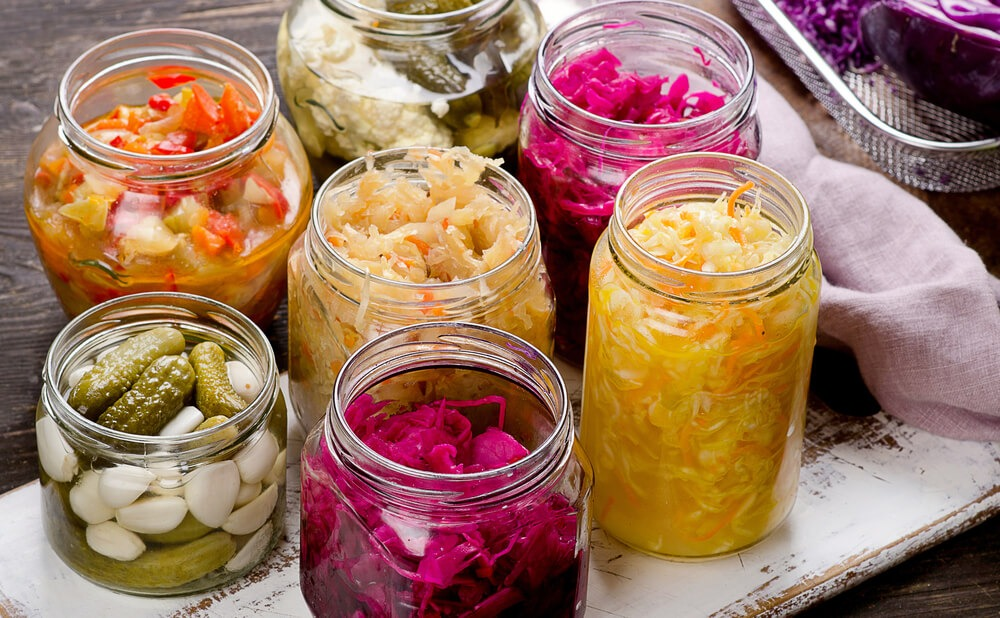
While prebiotics feed microbes, probiotics introduce beneficial live bacteria through fermentation. Yogurt with live cultures, kefir, sauerkraut, kimchi, miso, tempeh, and natto can enrich your gut community and complement a fiber-rich pattern. Different fermented foods contain different strains and metabolites, so variety matters. Start with small servings to gauge comfort, then incorporate them often in easy ways: add kimchi to grain bowls, spoon yogurt over fruit and seeds, or whisk miso into dressings. Whenever possible, add fermented vegetables after cooking to help preserve live cultures. If you prefer milder flavors, try plain kefir in smoothies or tempeh in a stir-fry added at the end. Fermented foods also bring tangy complexity and can reduce the need for heavy sauces. Remember, they complement rather than replace a foundation of whole plants and prebiotic fibers. As part of a balanced routine, these living foods can help reinforce microbial balance and support comfortable, regular digestion.
Colorful Plants and Polyphenols
Beyond fiber, plants supply polyphenols—bioactive compounds that microbes transform into helpful metabolites. These compounds encourage beneficial species and may discourage less friendly ones, supporting overall microbial resilience. Think richly colored foods: berries, cherries, grapes, plums, cocoa, olives, broccoli, artichokes, and leafy greens. Herbs and spices like turmeric, rosemary, oregano, and cinnamon add concentrated polyphenols and aromatic complexity without extra sugar or salt. Green and herbal teas, as well as dark cocoa, can also contribute. A powerful strategy is diversity: rotate produce, grains, legumes, nuts, and seeds so different microbes get the substrates they prefer. Mix raw and cooked options—some compounds become more available after gentle cooking, while others shine when fresh. Try a salad with mixed greens, beans, chopped herbs, and toasted seeds one day, then a warm bowl with roasted vegetables, farro, and a dollop of sauerkraut the next. The steady pulse of varied polyphenols helps cultivate a flourishing, adaptable microbiome.
Smart Carbs, Fats, and Proteins for Balance
Balanced meals keep microbes and you satisfied. Choose whole grains like oats, barley, brown rice, and quinoa for steady energy and fermentable fibers. Embrace legumes—lentils, chickpeas, and black beans—for prebiotics, minerals, and plant protein. Add monounsaturated fats from extra-virgin olive oil, avocados, and almonds to help absorb fat-soluble compounds and support satiety. Include omega-3 fatty acids from salmon, sardines, flax, chia, and walnuts, which complement a calm, well-fed gut environment. Opt for plant proteins regularly, and vary animal proteins with lean choices and fermented soy like tempeh. Mind gentle cooking methods—steaming, simmering, and roasting at moderate temperatures—to preserve nutrients that microbes and you appreciate. Be mindful with ultra-processed items; some additives and excess refined sugars may not favor microbial balance. Instead, build meals from ingredients with simple labels or single-ingredient staples. Combine textures and flavors—crunchy seeds, creamy yogurt, chewy grains—to make nourishing choices more satisfying and sustainable.
Daily Habits to Make Microbiome-Friendly Eating Stick
Consistency turns ideas into outcomes. Begin by choosing one or two microbiome-friendly upgrades you can keep: swap a refined side for a whole grain, add a small scoop of fermented vegetables to dinner, or include a prebiotic food at breakfast. Hydrate steadily, since water helps fiber move comfortably through the digestive tract. Batch-cook beans, roast mixed vegetables, and cook-then-cool potatoes or rice to build resistant starch into the week. Use your spice rack to layer polyphenols and flavor without extra sugar. If you are increasing fiber, do it gradually and pay attention to how you feel, adjusting portion sizes as needed. Aim for variety over perfection—rotate fruits, greens, grains, and legumes so different microbes get their preferred fuel. Eat mindfully, chewing thoroughly and pausing between bites to notice fullness cues. Over time, these simple, repeatable habits create a supportive rhythm that nourishes your microbiome and keeps your meals delicious, colorful, and satisfying.