Debt Snowball vs. Avalanche: Which Method Fits You?
Choosing between the debt snowball and avalanche hinges on your personality: quick wins for motivation or lowest interest first for maximum savings.
Choosing Your Debt Payoff Path — In personal finance, the method you choose to tackle debt can shape your motivation, monthly cash flow, and long-term results. The two most popular approaches, the debt snowball and the debt avalanche, solve the same problem with different priorities. Snowball emphasizes behavioral momentum by eliminating small balances first, while avalanche prioritizes mathematical efficiency by attacking the highest interest rate. Neither is universally better; each fits a different mindset, timeline, and tolerance for delayed gratification. Your choice should consider factors like how you respond to quick wins, whether you need visible progress, how variable your income is, and your comfort with a longer path to the biggest savings. By understanding the trade-offs—speed of emotional rewards versus total interest savings—you can align your strategy with your habits. The best plan is the one you will follow consistently, with clear milestones, reliable minimum payments, and a system that keeps you engaged until the last balance is gone.
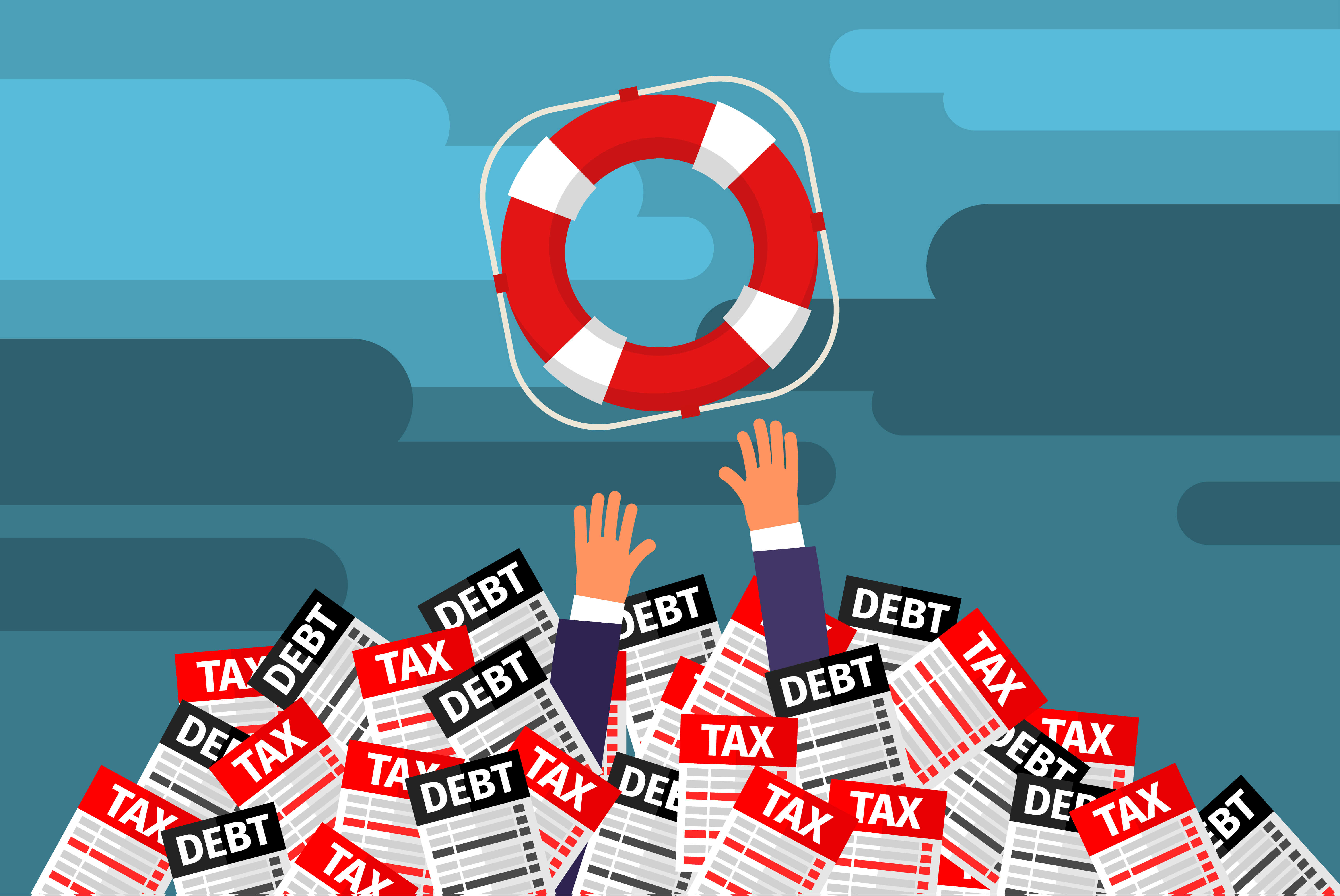
How the Debt Snowball Works — The debt snowball orders balances from smallest to largest. You pay minimum payments on every account, then direct all extra cash to the smallest balance until it disappears. When that debt is gone, you roll its payment into the next smallest, creating a growing snowball of momentum. The big advantage is psychological momentum: quick wins arrive early, reinforcing your behavior and reducing the number of bills to manage. It is simple, visual, and energizing, especially if you have many small, nagging balances. The trade-off is potentially paying more interest overall if higher-rate debts wait longer. Still, for people who have tried and stalled with other methods, the snowball's emotional payoff often leads to better follow-through. Imagine clearing a store card in a month, then a small personal loan soon after; each win frees cash flow and confidence, making the remaining balances feel more manageable.
How the Debt Avalanche Works — The debt avalanche targets the highest interest rate first, regardless of balance size. You still make minimum payments on all debts, but every extra dollar goes to the account charging the most interest. Mathematically, this method typically results in lower total interest paid and can shorten your payoff timeline, especially if your highest-rate balance is also sizable. The challenge is delayed gratification: early wins may be scarce when the highest-rate balance is large, which can test your patience and persistence. If you are comfortable letting math lead, value efficiency, and are disciplined without frequent milestones, the avalanche often delivers the best long-term savings. Picture a large, high-rate credit card: it may take longer to vanquish, but every month you reduce the costliest drain on your money, compounding your advantage. The key is staying engaged—tracking interest saved and celebrating progress markers between balances.
Behavior Fit and Motivation — Your personality is central to choosing between snowball and avalanche. If you thrive on quick wins, visual progress, and gamified checklists, the snowball's fast feedback can anchor your habits. If you are data-driven, comfortable with delayed rewards, and excited by optimizing interest savings, the avalanche is ideal. Consider your history: Have you started debt plans and lost steam? Snowball's early victories can lock in consistency. Do you stick with long-term goals when the numbers prove the benefit? Avalanche's logic may keep you focused. Also weigh stress and mental load. Reducing the number of active accounts quickly can simplify life and ease decision fatigue. Meanwhile, avalanche devotees can boost motivation by tracking monthly interest avoided and forecasting payoff dates. Whichever you choose, create cues that sustain momentum—automatic transfers, progress bars, milestone celebrations, and accountability check-ins—so your behavior aligns with your chosen method.
Financial Context and Debt Types — The right method also depends on your debt mix and cash flow stability. High-rate credit cards favor the avalanche, while a cluster of tiny balances may make the snowball irresistible for speed and simplicity. Be mindful of variable rates, promotional periods, and fees; a balance with a temporary low rate can jump later, altering priorities. Secured debts, like auto loans, might carry lower rates but higher consequences if missed, so minimum payments must be rock-solid. If your income is irregular, build a basic emergency fund before accelerating payoff to avoid backsliding. Also assess penalties, deferment options, and prepayment rules that may influence ordering. Some people use a hybrid: annihilate one or two small balances for momentum, then shift to avalanche ordering for efficiency. The goal is to maximize savings without sacrificing consistency. Your plan should protect essentials, prevent new debt, and keep interest costs shrinking month by month.
Step-by-Step Implementation — Start by listing every balance with creditor, balance, interest rate, minimum payment, and due date. Choose your approach: snowball (smallest balance first) or avalanche (highest rate first). Set up automatic minimum payments for all accounts to avoid fees and protect your credit. Direct every extra dollar to your target debt on a set schedule—weekly payments can amplify momentum and reduce average daily balance. Create a modest emergency fund to handle surprise expenses without new borrowing. Track progress with a simple spreadsheet or app, highlighting principal reduction, interest paid, and upcoming milestones. Align your budget: cut unused subscriptions, negotiate bills, and channel windfalls, tax adjustments, or side-income to your priority balance. Periodically review rates and balances, and reallocate as debts are cleared. Treat each payoff as a promotion; when a balance disappears, immediately roll its payment into the next target to keep your snowball or avalanche accelerating.
Staying Flexible and Finishing Strong — Consistency beats perfection. If motivation dips using avalanche, switch to snowball for a few quick wins; if snowball's interest cost worries you, pivot to avalanche once momentum is established. A hybrid approach can preserve enthusiasm and efficiency. Guard your progress by avoiding new debt: pause cards if needed, delay big purchases, and budget for upcoming expenses with sinking funds. Revisit your emergency fund as balances fall so that one surprise does not undo months of work. Celebrate meaningful milestones—first card paid off, halfway to debt-free, interest paid dramatically lower—to reinforce your habits. Watch for pitfalls: only paying minimums indefinitely, chasing rewards while carrying balances, or ignoring high-fee accounts. Your best-fit method is the one that aligns math with motivation, protects your cash flow, and keeps you engaged. Finish strong, then redirect those freed-up payments toward savings, investing, and long-term financial resilience.