Cultural Immersion: Travel Like a Local
Discover practical ways to connect with communities, savor local flavors, and travel responsibly—so every trip feels authentic, enriching, and respectful.
Understanding Local Rhythms: Traveling like a local begins with tuning your senses to the subtle beat of everyday life. Notice when shutters lift, ovens spark, and streets grow busy; these cues reveal local tempo better than any guide. Spend your first hours observing, not judging, and let micro-interactions—a nod at the bakery, a greeting in the stairwell—set a respectful tone. Visit markets at opening, stroll residential lanes at dusk, and watch how people queue, cross streets, and greet elders. Align your meals with local schedules and you will meet people where they are most relaxed. Ask shopkeepers about the day's specials, or which park families favor, and accept that unplanned moments often deliver richer insight than checklists. When you match your pace to the neighborhood, you avoid bottlenecks, support small routines, and practice quiet cultural immersion that feels natural for everyone. The goal is not to perform authenticity; it is to participate with curiosity, patience, and consistent respect.
Language and Communication: Even a handful of words can transform encounters from transactions into connections. Learn greetings, courtesies, numbers, and food terms, and practice them with confidence and humility. Slow your speech, smile, and watch for nonverbal cues—eye contact, personal space, and gestures vary widely and carry meaning. When you make mistakes, laugh with yourself and try again; locals appreciate honest effort more than perfect grammar. Keep a small notebook or offline phrases for moments when reception fails, and consider noting how to express dietary needs or directions. Focus on active listening: let tone and context guide you, and avoid filling silences quickly. If someone speaks some of your language, reciprocate by teaching a word or two in return. The aim is mutual understanding, not fluency overnight. Communication done thoughtfully signals respect, reduces friction, and invites stories that maps cannot provide—tiny lessons that create a lasting bridge between guest and host.
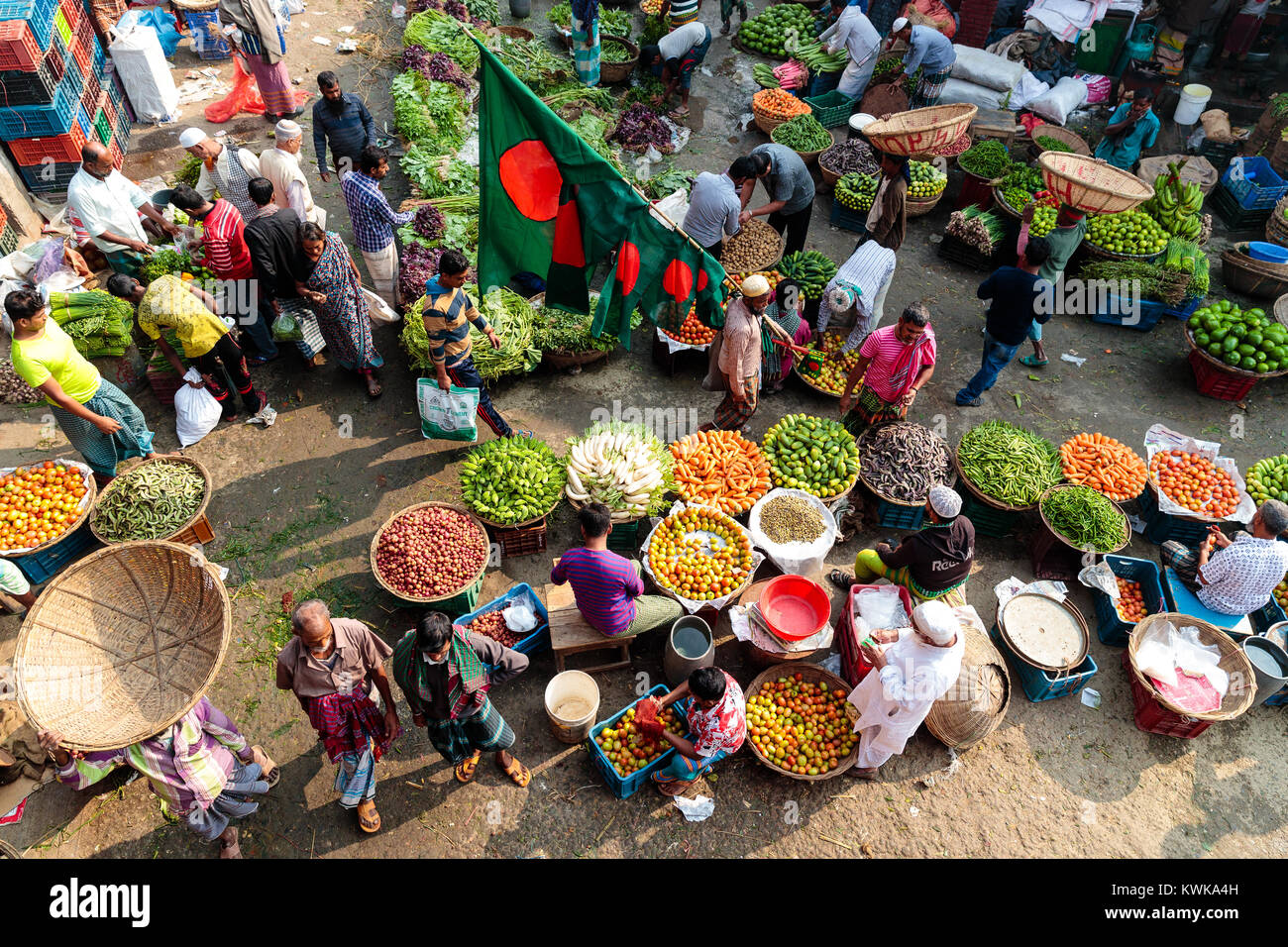
Eating Where People Live: Food is a gateway to place, so follow the aromas to markets, canteens, and family-run eateries where menus reflect seasons and routine. Look for handwritten specials, lunch crowds, and dishes locals order in pairs or share across the table. Ask what is typical that day, and be open to textures and flavors outside your habit. Practice etiquette—observe whether people queue, seat themselves, or wait for a host, and how bills are settled. Street vendors can be wonderful guides; watch how regulars order, note hygiene cues, and start with a small portion. If you have restrictions, learn key phrases and inquire kindly, showing flexibility rather than demanding substitutions. Join a home-style cooking class or neighborhood food walk that limits group size and emphasizes seasonality and producer stories. The goal is to nourish relationships as much as appetite, to taste traditions without turning them into spectacle, and to leave full of gratitude and culinary curiosity.
Moving Through the City Like a Resident: Locals navigate with public transit, walking, and cycling, choosing routes that favor routine over spectacle. Study neighborhood maps, note transfer points, and watch platform etiquette—let people exit first, queue where lines form, and keep bags compact. Travel off-peak when possible; it lightens pressure on systems and gives you more space to absorb surroundings. On buses and trains, give seats to elders and caregivers, and keep voices low, mirroring the environment's social volume. On foot, use residential side streets, greenways, and waterfront paths to understand how districts connect. If you rent a bike, learn hand signals and local rules, and choose slower streets over major arteries. Small choices—picking a corner bakery near a stop, reading community boards, greeting drivers—turn transport into neighborhood discovery. By embracing the everyday commute, you save money, cut emissions, and experience the city from the vantage point of those who animate it.
Participating in Community Life: Immersion deepens when you shift from observer to considerate participant. Seek community events like open-air concerts, amateur sports, craft fairs, and language exchanges advertised on notice boards or at libraries. Choose small workshops—dance, pottery, cooking, or photography—where conversation flows naturally and local teachers lead. When invited into spaces of worship or celebration, follow cultural etiquette: dress appropriately, ask before entering restricted areas, and avoid disrupting rituals with cameras. Offer to help set up chairs, clean up after, or contribute a modest donation; small acts of reciprocity build trust. If you meet new friends, bring a simple host gift from your home region or something bought locally, and respect boundaries around private time. Share your own skills when appropriate—teaching a song, a recipe, or a game—without centering yourself. Participation should feel like collaboration, not consumption, honoring the community's rhythm, agency, and joy.
Travel Ethically and Sustainably: To travel like a local, extend care to people and place. Support independent businesses, stay in guesthouses or homestays that hire locally, and choose tours with small groups and transparent practices. Pay fair prices rather than bargaining aggressively, and ask about provenance when buying crafts to ensure artisans benefit. Practice slow travel: spend longer in fewer places, use trains or buses where feasible, refill water bottles, and minimize single-use items. Follow leave no trace principles—stick to paths, pack out trash, and protect fragile ecosystems. Request permission before taking photos of people, avoid geotagging sensitive areas, and share tips that encourage dispersal rather than crowding. Dress with cultural context in mind, keep noise low at night, and tip workers whose service is not fully visible. Ethical choices create a virtuous loop: communities thrive, environments endure, and your memories carry the richness of genuine connection.