Culinary Trails: Tasting Your Way Through New Places
Turn every trip into a feast. Follow local flavors from markets to kitchens, and discover culture, history, and connection through every bite.
Savoring Place Through Flavor
Travel becomes deeper when you let flavor be your compass. Following a culinary trail turns unfamiliar streets into story-filled pathways, each aroma revealing how people live, work, and celebrate. A bowl of broth, a slice of cheese, or a fragrant herb market speaks volumes about climate, trade routes, and community values. Instead of racing through attractions, linger over a local breakfast, note the textures, and ask the vendor about ingredients or cooking methods. These conversations create memories that outlast souvenir photos, and they highlight the universal language of hospitality. When you approach meals with curiosity, you notice small details: the clink of cups at dawn, the hush of an afternoon bakery, the laughter around outdoor grills. A culinary mindset slows your pace, sharpens your senses, and builds a map drawn by taste. You return home with more than recipes—you carry stories, context, and a renewed appreciation for everyday food culture.
Markets as Maps
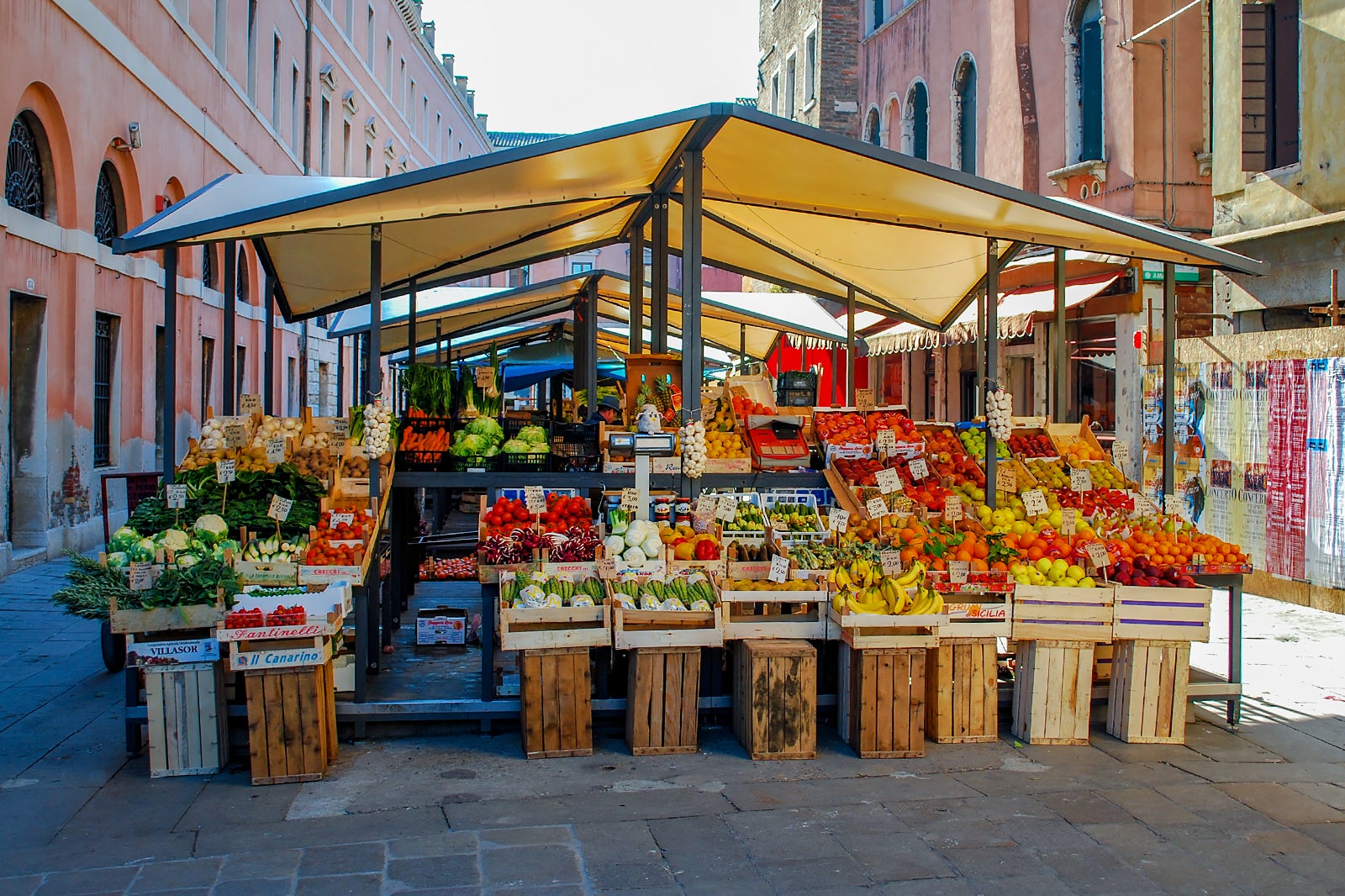
Local street markets and produce halls are living atlases of a region's appetite. Arrive early and you'll catch vendors stacking pyramids of fruit, sharpening blades, and greeting regulars by name. Watch which stalls attract long lines; sustained crowds often signal freshness, fair prices, and trustworthy handling. Ask about seasonality to learn why certain greens or shellfish appear only at particular times; the answer reveals weather patterns, regional farming, and traditional celebrations. Taste with care: request a small sample, observe how money and food pass hands, and bring your own napkin or reusable container. Markets also teach vocabulary—labels for cuts of meat, names of wild herbs, local words for sweetness or spice—enriching your ability to order confidently elsewhere. When possible, purchase a modest selection and assemble a picnic in a nearby park. Simple, market-driven meals showcase terroir, strengthen local economies, and let you practice the art of unhurried eating.
From Hearth to Heritage
A region's dishes carry heritage as surely as museums carry artifacts. Ask about family recipes, and you'll hear stories of migration, harvest scarcity, festive abundance, and clever substitutions. Traditional stews, dumplings, pickles, and breads often evolved to solve problems of preservation, transport, or communal feeding. Seek out eateries that highlight home-style cooking or daily specials written in chalk; these places frequently preserve techniques—slow braises, hand-rolled dough, open-flame grilling—that survive because they still taste best. Mind food etiquette: observe how locals share plates, season at the table, or toast before sipping. A respectful question—What do you recommend for someone new?—invites guidance and warm conversation. Notice ritual moments, too, such as midmorning pastries, late-afternoon tea, or street-corner snacks after work. Each habit exposes a rhythm of life. By tasting traditions at the hearth level, you honor the cooks who carry culture forward and gain honest insight into regional identity.
Street Food Confidence
Exploring street food unlocks flavor at its most immediate and expressive. Well-run stalls are choreography in motion: sizzling griddles, brisk assembly, and a steady flow of regulars. Choose vendors with visible ingredients, clean surfaces, and food cooked to order; heat is a powerful ally. Lines that move consistently suggest efficient service and frequent turnover, which helps keep dishes fresh. If you have dietary restrictions or allergies, learn a few key phrases in the local language and show them politely; most vendors will guide you to safe options. Watch how locals garnish or fold items, then follow suit to experience intended textures. Carry a small kit—hand wipes, a reusable fork or chopsticks, and a water bottle. Start with classics the area is known for, then branch out to lesser-known specialties. Street carts democratize cuisine, offering honest prices and bold flavors. With awareness and curiosity, you'll taste authenticity without sacrificing safety or respect.
Field, Sea, and Cellar
To understand a destination's plate, visit its producers. Farms, fisheries, dairies, and orchards reveal the behind-the-scenes care that shapes flavor. Walk rows of herbs to feel soil temperature and smell oils released by sun-warmed leaves. At a cheesemaker's, ask about aging rooms and milk sources; at a fish market, note the gloss of eyes and the snap of scales as freshness cues. Many places offer tastings that illustrate terroir—how landscape, water, and climate imprint distinctive character on wine, oil, or fruit. When possible, book small-group tours or tastings that prioritize education over spectacle. Buy modestly and seasonally; your purchase supports hands-on stewardship and shorter supply chains. Keep a tasting notebook to track aromas, textures, and pairings, building confidence to order thoughtfully in restaurants. By meeting producers, you connect flavor to landscape and labor, gaining perspective on sustainability and the real costs behind excellent ingredients.
Learning by Cooking
Taking cooking classes abroad turns observation into skill. Choose workshops that focus on regional dishes and begin with a market walk; you'll learn how to select ripe produce, choose the right cut, and negotiate quantities. In the kitchen, watch for subtle techniques: how cooks control heat, salt early or late, bloom spices in oil, or balance acidity with citrus and herbs. Knife grips, dough textures, and stock-building become muscle memory when guided by a patient instructor. Classes also decode spice profiles—which seeds toast together, which pastes simmer slowly, which sauces rest overnight. Ask about substitutions so you can recreate dishes at home without specialized equipment. Share the final meal at a communal table; it's a chance to exchange stories with fellow travelers and receive feedback on seasoning. You leave not just with recipes, but with transferable methods that make future restaurant meals more legible and home cooking more confident.
Mindful, Sustainable Tasting
Great culinary travel is rooted in respect—for people, places, and the planet. Favor small, locally owned eateries and markets that keep money circulating in the community. Embrace sustainability by choosing seasonal produce, trying underutilized fish, and reducing food waste through shared plates and right-sized orders. Carry a reusable bottle and utensils to minimize disposables, and decline extras you won't use. Be transparent about budget and expectations; fair payment supports dignified labor. Learn basic phrases to thank cooks and vendors, and ask before photographing people or prep spaces. Consider dietary balance: a plant-forward approach often mirrors local traditions and lightens your footprint without sacrificing flavor. Keep a tasting journal with notes on provenance, cooking methods, and stories behind dishes; this practice sharpens memory and guides future choices. When you travel as a mindful eater—curious, patient, and generous—you build bridges with every bite and leave a positive trace shaped by gratitude.