Crafting a Personal Brand for Professional Growth
Build a clear, credible personal brand that opens doors. Learn how to define your value, show it online, and turn connections into opportunities.
Define Your Value: A strong personal brand starts with a clear value proposition that explains who you help, how you help them, and why your approach is different. Begin by mapping your strengths, transferable skills, and repeatable wins, then translate those into outcomes others can easily understand. Identify the audiences you want to serve, from hiring managers to clients and collaborators, and write down the problems they need solved. Distill your positioning into a concise statement that highlights your specialty and the benefits you deliver, avoiding jargon that blurs impact. Choose a focused niche that aligns with your career goals, yet leaves room for growth. Validate your message by asking peers which three words come to mind when they think of your work; refine until you hear consistent themes. This clarity becomes your filter for content, conversations, and opportunities, enabling you to say no to distractions and yes to aligned projects that reinforce credibility and differentiation.
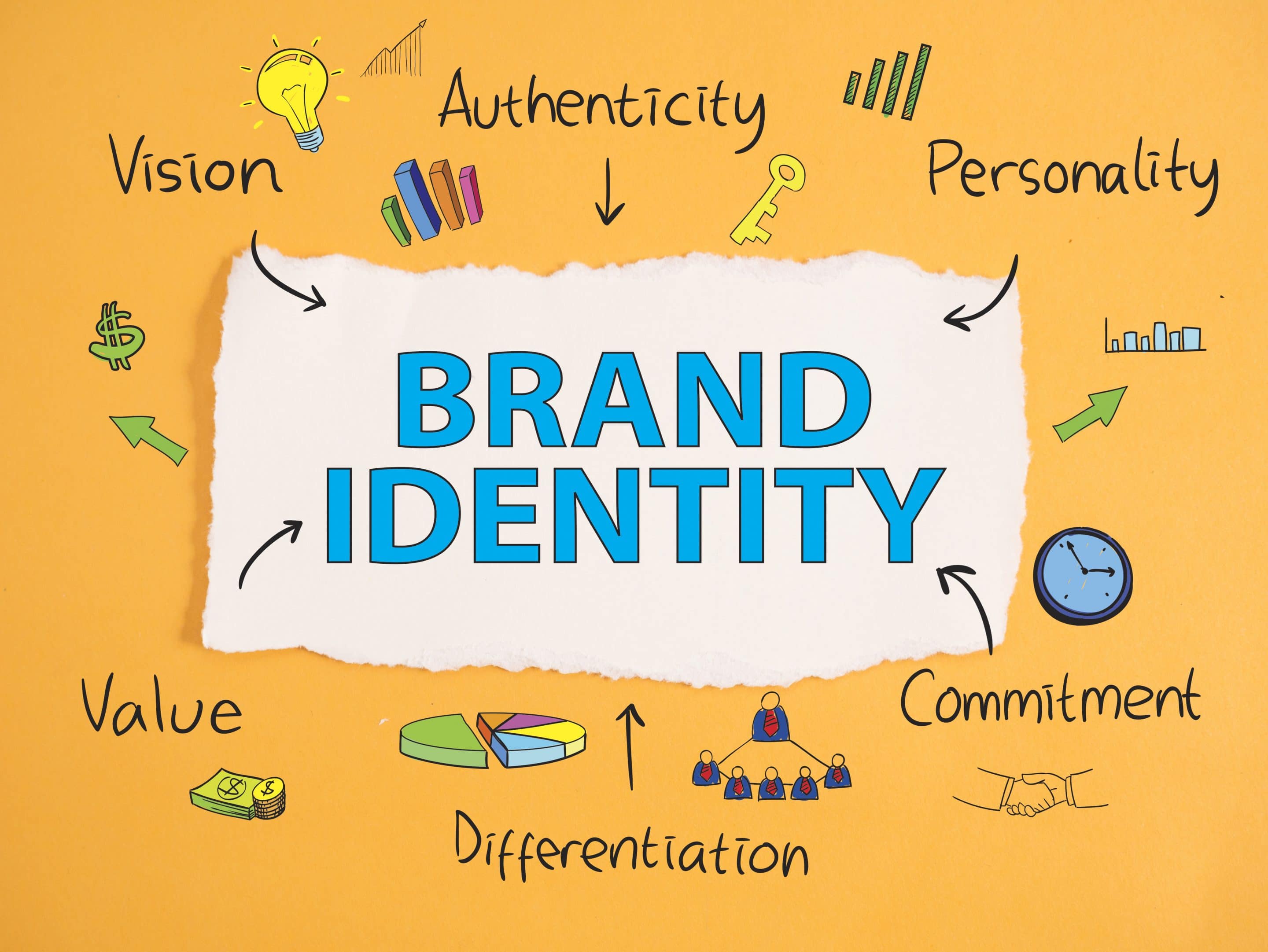
Shape Your Story: Facts inform, but story persuades. Translate your capabilities into a narrative arc with a relatable starting point, a challenge you chose to tackle, the insight that changed your approach, and the results that followed. Keep your voice authentic and specific, avoiding clichés in favor of vivid details that show how you think and operate under pressure. Use concise anecdotes to demonstrate problem-solving, collaboration, and learning, and connect each scene to the audience's needs. Define a memorable elevator pitch that combines your role, focus, and impact in a single sentence, then expand it into a short bio for profiles and proposals. Infuse your narrative with values that guide decisions, such as curiosity, rigor, or service, and back them with proof. When you tell your story consistently across channels, you create emotional resonance, making it easier for people to recall your strengths and trust your recommendations.
Design Your Identity: Your brand lives in both verbal identity and visual identity. Choose a concise tagline and bio that repeat your niche, outcomes, and signature methods, then standardize tone and keywords across profiles, proposals, and presentations. Visually, use a clean headshot, a restrained color palette, and legible typography that reflect your professional personality without distracting from your message. Build a simple portfolio that foregrounds context, actions, and outcomes, and use clear section headings so busy readers can scan quickly. Keep file names, profile handles, and photo styles consistent to reduce cognitive load and increase recognition. Small choices accumulate into powerful signals of consistency and reliability. If you experiment with new aesthetics, keep your core elements stable, and document your brand system so you can replicate it under deadline. Treat your identity as a product: purposeful, coherent, and shaped to help the right opportunities find you.
Expand Your Digital Footprint: Meet your audience where they already spend time. Optimize profiles on professional platforms with a strong headline, searchable keywords, and portfolio links that showcase your best work first. Establish a sustainable content cadence that you can keep, focusing on quality over volume. Create pillar topics that reflect your expertise, and repurpose ideas across formats: turn a talk into an article, a checklist, and a short video. Make posts skimmable with clear structure, and close with a useful insight or question that encourages dialogue. Improve discoverability through relevant terms and descriptive captions, and ensure your profiles communicate your focus within seconds. Use a simple editorial calendar to balance thought leadership, behind-the-scenes process, and client or project highlights. Over time, a consistent digital footprint compounds, attracting collaborators, referrals, and interviews that align with your positioning and long-term direction.
Earn Social Proof Through Relationships: Relationships transform a personal brand from a promise into social proof. Build a reputation by contributing generously in communities where your peers and decision makers participate. Share insights, answer questions, and credit others' work to demonstrate credibility and respect. Curate testimonials, endorsements, and case summaries that emphasize outcomes and learning, not just praise. Offer to collaborate on small experiments or pro bono pilot projects that create referenceable results and deepen trust. Schedule informational conversations to understand emerging needs, and reflect back what you heard with specific ideas. When attending events or virtual sessions, arrive with prepared questions and follow up with tailored notes. Consistently capture wins, lessons, and data points that future clients or employers care about. Over time, goodwill and reputation capital open doors faster than cold outreach, enabling you to negotiate from strength and choose opportunities that reinforce your brand.
Lead With Value in Every Touchpoint: Make every interaction a proof point by delivering value before asking for anything. Publish useful content such as frameworks, checklists, playbooks, and mini case studies that others can apply immediately. Teach your process, not just your results, to exhibit clarity, rigor, and generosity. In conversations, ask diagnostic questions that reveal underlying constraints, then offer a practical next step without overloading people. When you share work, frame it with context, assumptions, and trade-offs so your audience learns how you think. Use comments, messages, and emails to add concise insights, not generic compliments. Host small office hours or co-working sessions to deepen relationships at scale. This steady drumbeat of helpfulness builds trust and keeps you top of mind when opportunities arise. People remember the professionals who make progress easier, and that memory compounds into referrals, invitations, and strategic partnerships.
Measure, Iterate, and Sustain: Treat your brand as an evolving system with a continuous feedback loop. Track metrics that signal progress, such as relevant inquiries, referrals, profile views, saves, or message quality, and pair them with qualitative notes from conversations. Experiment with headlines, visuals, content formats, and posting schedules, then double down on what creates the most meaningful engagement. Conduct periodic retrospectives to identify which activities drove actual opportunities, and sunset efforts that create noise without results. Protect sustainability by setting boundaries, batching work, and maintaining a reasonable cadence that prevents burnout. Anchor decisions in integrity, ensuring claims are accurate, credits are shared, and expectations are clear. As your skills grow, update positioning, portfolio, and pricing to reflect new capabilities while preserving the core promise that earned trust. Iteration keeps your brand aligned with your ambitions and the needs of the market, enabling steady, compounding professional growth.