Building a Resume That Tells Your Story
Turn your resume into a clear, credible story. Learn how to tie skills, results, and trajectory together so recruiters see exactly why you fit the role.
Start With a Narrative Lens
Your resume is more than a list of positions; it is a curated narrative that reveals who you are, what you value, and how you create results. Begin by clarifying your throughline: the connecting idea that runs from your education to your most recent role. Define a concise value proposition that explains the problems you solve and the outcomes you deliver. Consider your audience and the context in which they read: a hiring manager scans for alignment, clarity, and potential. Use a crisp professional summary to frame your strengths, industry focus, and signature achievements, avoiding clichés and empty adjectives. Choose a theme that aligns with your target role, such as building systems, elevating customer experience, or leading cross-functional initiatives. Anchor each role in purposeful outcomes, not just activity. When you treat your resume as a story with intent, you guide the reader from curiosity to confidence, making your next conversation feel both natural and inevitable.
Structure That Guides the Reader
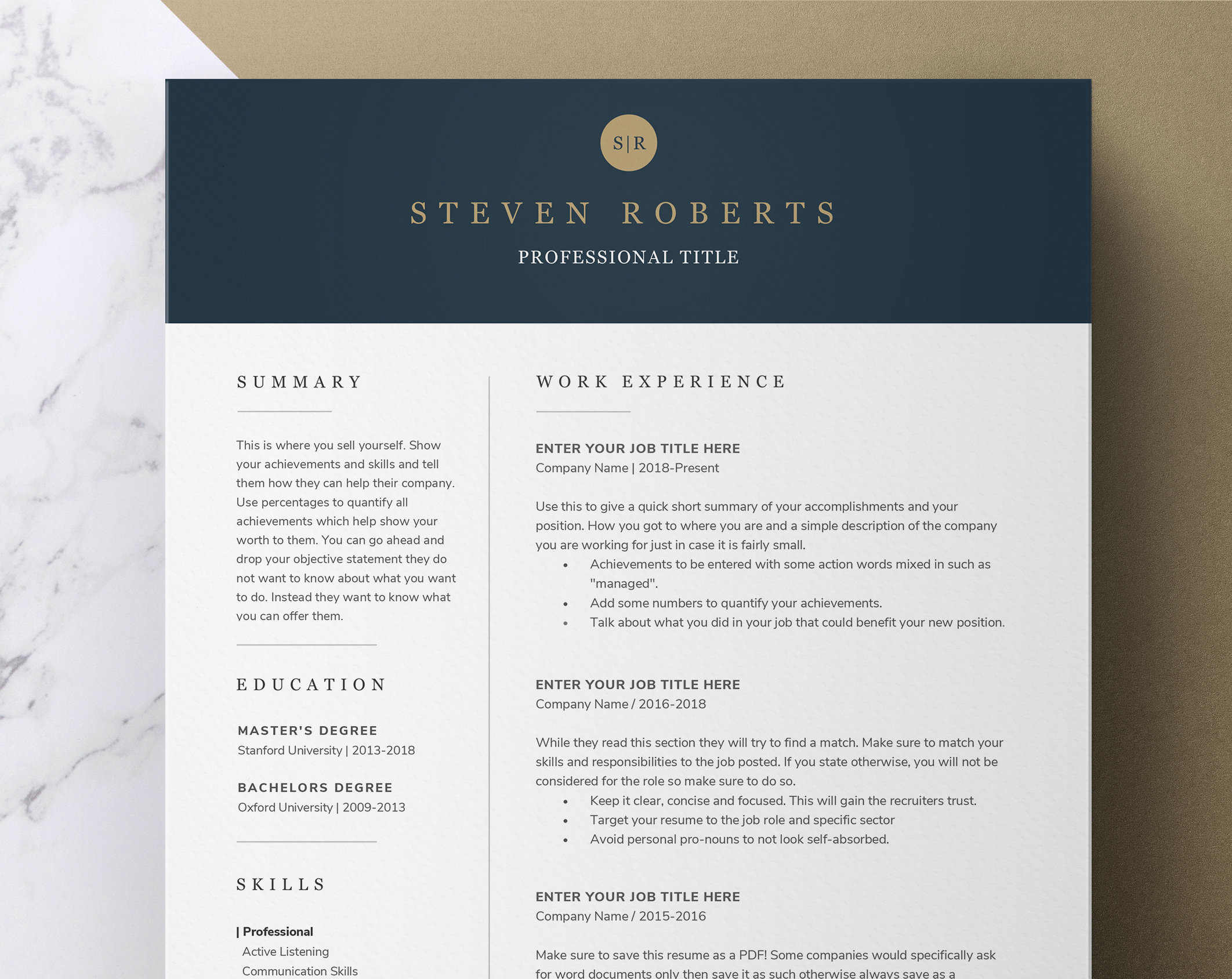
A strong structure makes your story effortless to follow. Reverse-chronological order is a reliable baseline, but a hybrid format can help if you are changing careers, freelancing, or blending projects with full-time roles. Lead with a clear summary, followed by core competencies, then experience, education, and relevant extras such as awards or community leadership. Prioritize hierarchy: the most persuasive details belong near the top of each section and within the first lines of each role. Improve readability with consistent headers, job titles, and locations, and maintain consistency in tense, punctuation, and spacing. Design for skimming by placing key metrics in the first few words of each line and keeping line lengths comfortable. Keep formatting ATS-friendly with standard section labels and simple text elements. Thoughtful ordering, clear labeling, and a visual rhythm that respects the reader's time demonstrate professional judgment before a single interview question is asked.
Transform Duties Into Impact
Hiring teams do not buy tasks; they invest in impact. Rework duties into achievements by pairing action verbs with metrics and meaningful context. Use a simple CAR pattern: challenge, action, result. State the situation, name your intervention, and quantify the outcome. Think broadly about measurable signals: revenue growth, cost reduction, cycle-time cuts, error reduction, customer satisfaction lifts, adoption rates, and productivity gains. Show before-and-after change, scale, and frequency, such as processes improved across multiple sites or initiatives repeated successfully with different stakeholders. If data are sensitive, use ranges or percentages while preserving credibility. Where metrics are unavailable, capture quality and scope through complexity solved, risks mitigated, partnerships forged, and decisions clarified. Tie each accomplishment to business priorities so the reader can feel the stakes. Over time, this pattern creates a momentum effect, revealing not just what you did, but how you consistently elevate the teams and organizations you join.
Weave Skills and Keywords Naturally
Blend keywords into authentic storytelling so both humans and software find what they need. Start with tailoring: study target descriptions to identify core competencies, tools, and domain terminology. Place critical terms in your summary, skills list, and role narratives, but avoid stuffing. Demonstrate transferable skills by pairing them with evidence, such as collaboration reflected in cross-functional launches or problem solving demonstrated in de-risked projects. Balance hard and soft skills: communication, stakeholder management, and adaptability should appear as behaviors tied to outcomes, not isolated claims. Use synonyms and adjacent concepts to cover variations without redundancy. If you hold relevant certifications or training, list them with concise descriptions of applied value. Treat your skills section as a map and your achievements as the territory. When keywords and real results reinforce each other, you pass automated screens while building trust that your capabilities are current, contextual, and directly useful.
Design Choices That Support Clarity
Good design serves clarity, not decoration. Choose legible fonts, calm margins, and clean headings that promote scannability. Use white space strategically to group related information and prevent visual fatigue. Maintain strict alignment and consistency in bullet style, date formatting, and section spacing. Favor simple symbols and avoid complex graphics, text boxes, and tables that can confuse parsing systems. Keep the document ATS-friendly with standard section titles, real text (not images), and minimal color. Make your most important ideas easy to find in the top third of the first page. Proof for accessibility by checking contrast and ensuring clarity in grayscale. Practice rigorous proofreading to eliminate typos and tense shifts that erode credibility. Save with a professional file name and verify that your content copies cleanly into plain text. The design should disappear behind the message, letting your achievements and potential take center stage.
Close the Loop With Context
A compelling resume is part of a broader story arc that includes your cover letter, portfolio samples, and interview narratives. Maintain a master resume that captures all achievements, then build tailored versions for each application, emphasizing the most relevant themes. Track new results on a cadence so your document stays current and your metrics are ready when opportunities arise. Seek a feedback loop from mentors or peers to catch blind spots and calibrate emphasis. Prepare for conversations by mapping your accomplishments to interview readiness frameworks such as situation, task, action, and result, keeping your stories crisp and repeatable. Reinforce integrity by aligning what is on the page with what you can demonstrate live. Treat the process as continuous improvement: refine phrasing, reorder highlights, and update skills as your responsibilities evolve. When every touchpoint supports the same promise, your resume does more than inform; it persuades with calm, confident focus.