Adventure Travel Essentials You Should Never Forget
Don't hit the trail or tarmac unprepared. Pack these adventure travel essentials to stay safe, comfortable, and self-reliant wherever you roam.
Safety and Navigation
When the terrain gets wild, safety and navigation are the essentials that keep an adventure enjoyable rather than stressful. Pack a compact, well-stocked first-aid kit with adhesive bandages, blister pads, gauze, antiseptic wipes, tweezers, pain relievers, antihistamines, and any personal medications. For wayfinding, bring redundant tools: a paper map in a waterproof sleeve and a compass, plus offline maps on your phone or a dedicated GPS. Power your devices with a reliable power bank and spare batteries. A bright headlamp, emergency whistle, and signal mirror add crucial visibility and communication. Slip in an emergency blanket for warmth and a small multi-tool or knife for quick fixes. Before setting out, note local emergency numbers and establish a check-in plan with a trusted contact. Mark trailheads and key coordinates, and review route hazards and water sources. Redundancy, preparation, and a calm mindset transform unknown paths into confident steps, keeping you focused on discovery rather than rescue.
Clothing and Layering Strategy
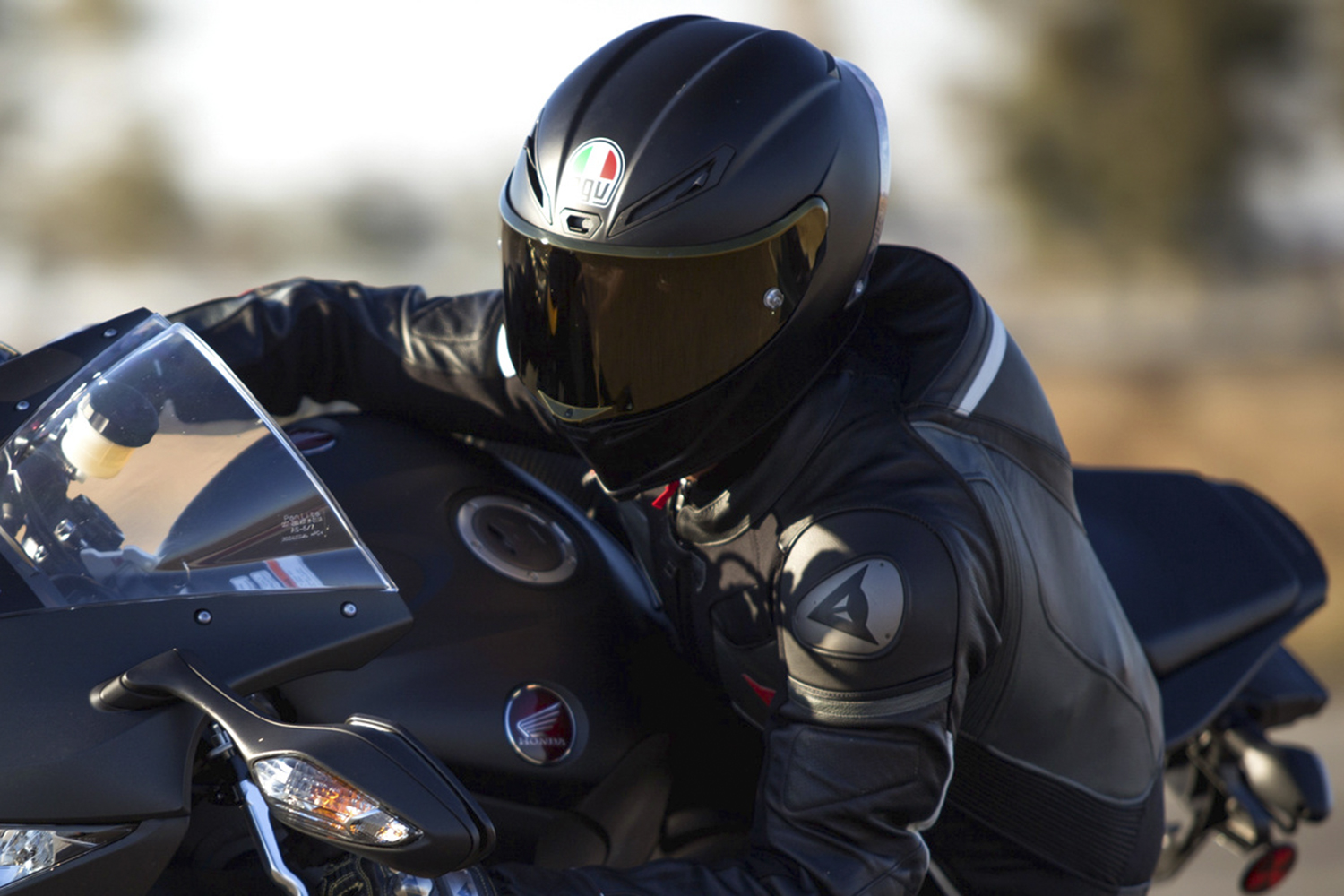
Weather is fickle, so your wardrobe should be adaptable. Start with a moisture-wicking base layer that pulls sweat away from skin; avoid heavy cotton that holds moisture. Add a mid-layer like fleece or lightweight down for insulation, then top it with a waterproof, breathable shell to block wind and rain. A wide-brim sun hat, UV-protective sunglasses, and a neck gaiter or buff defend against sun and dust. Pack lightweight gloves and a warmer backup pair, plus wool socks that cushion and dry quickly. Choose broken-in footwear—hiking boots or trail shoes matched to terrain—and consider gaiters for debris and splash. Include packable rain pants, quick-dry underwear, and a compact puffy jacket for chilly nights. Camp shoes give feet a break after long miles. Use dry bags or packing cubes to organize layers and keep them protected. Prioritize versatile layers that mix and match, offering smart temperature control without overloading your pack.
Hydration, Nutrition, and Cooking
Water and calories power every step, so plan them as seriously as your route. Carry at least two water containers—a hydration bladder for sipping on the move and a sturdy bottle for refills or hot drinks. Treat water with a squeeze or gravity filter, purification tablets, or a UV purifier, and add electrolytes to counter sweat loss in hot or high-altitude conditions. For food, pack calorie-dense snacks—nuts, seeds, jerky, cheese, nut butters, dried fruit, and energy bars—balanced with slow-burning carbs. If heat is allowed, bring a compact stove, compatible fuel, a windscreen, a lighter and backup waterproof matches, plus a lightweight pot, lid, and spork. Follow Leave No Trace by packing out waste, straining food particles, and using minimal, biodegradable soap away from water sources. In wildlife country, use approved food storage methods. Schedule regular water breaks and snack intervals to keep energy steady, morale high, and decision-making sharp.
Shelter, Sleep, and Weather Readiness
Rest restores performance, so build a sleep system that matches conditions. Choose a tent, tarp, or hammock with rainfly and bug protection; practice pitching it for fast setup in foul weather. Bring sturdy stakes, reflective guylines, and a footprint to protect the floor. A temperature-appropriate sleeping bag or quilt paired with an insulated sleeping pad (consider R-value) locks in warmth, while a compact pillow—or a stuffed clothing sack—boosts comfort. Pack a repair kit with patches, seam sealer, and duct tape to handle leaks or tears on the fly. Use dry bags for clothing and electronics, and carry paracord for lines, makeshift clotheslines, or gear fixes. Choose campsites with natural windbreaks and good drainage, and manage condensation with ventilation. In stormy conditions, tighten guylines, angle your shelter, and keep essentials within reach. Add small comforts—earplugs, an eye mask, and dry sleepwear—to improve recovery and resilience for the next push.
Documents, Money, and Digital Prep
Administrative details guard your freedom to roam. Secure your passport or ID, necessary permits, and travel insurance details, and keep backup copies printed and stored digitally. List emergency contacts, itinerary highlights, and key medical info. Diversify your funds with cash in small denominations and cards from more than one network, separated in a money belt or hidden pouch. Protect valuables in a waterproof pouch and use hotel safes judiciously. For connectivity, arrange a local SIM or eSIM, download offline maps, translation packs, and critical documents to your phone, and bring a universal adapter, durable charging cables, and a high-capacity power bank. Consider basic device security—screen locks, backups, and limited location sharing. Share your plan with someone at home and establish check-in windows. Respect local customs, practice wildlife etiquette, and follow Leave No Trace principles. Preparedness here frees your attention for the moments you traveled so far to experience.